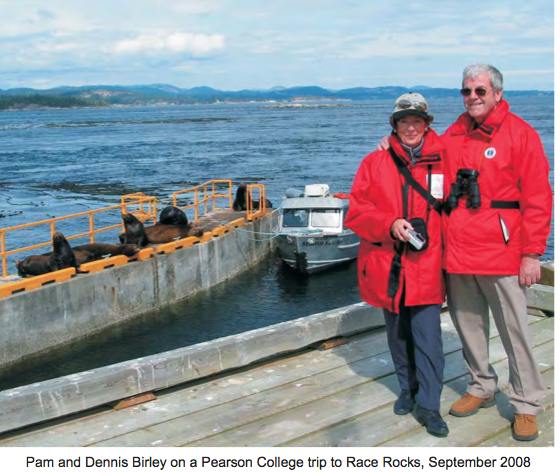
Long Distance Volunteering: the Effective “Citizen Science” of Pam Birley

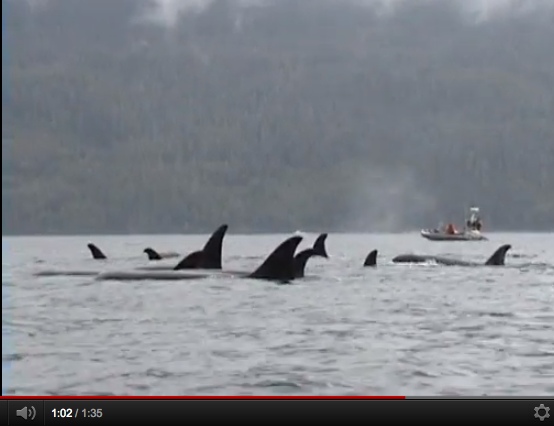
From:THE LOG    FRIENDS OF ECOLOGICAL RESERVES NEWSLETTER    AUTUMN/WINTER 2010 By Garry Fletcher, Race Rocks ER Warden In an e-mail I received in 2004, Pam Birley told me she was a grandmother living in Leicestershire England, and that she used the remote cameras on the www.racerocks.com website to help her grandchildren learn about the environment. She

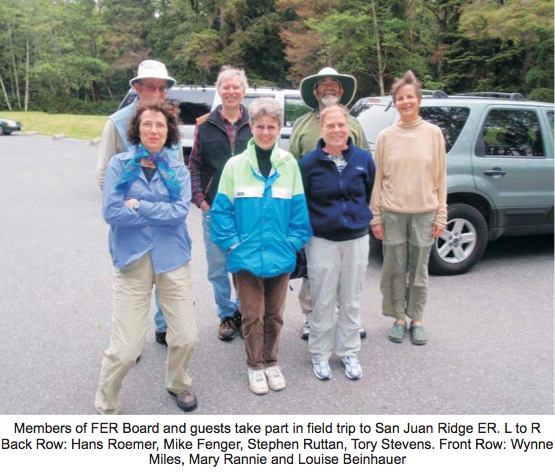
FER Board Field Trip to San Juan Ridge

From: THE LOG    FRIENDS OF ECOLOGICAL RESERVES NEWSLETTER    AUTUMN/WINTER 2010 By Louise Beinhauer On a balmy day in June, Friends of Ecological Reserves Board members Mike Fenger, Stephen Ruttan (trip organizer), Mary Rannie and Wynne Miles along with guests; our guide, biologist Hans Roemer, MOE’s Tory Stevens, Fred Beinhauer and I car pooled along Highway

Battling Broom on Trial Island ER

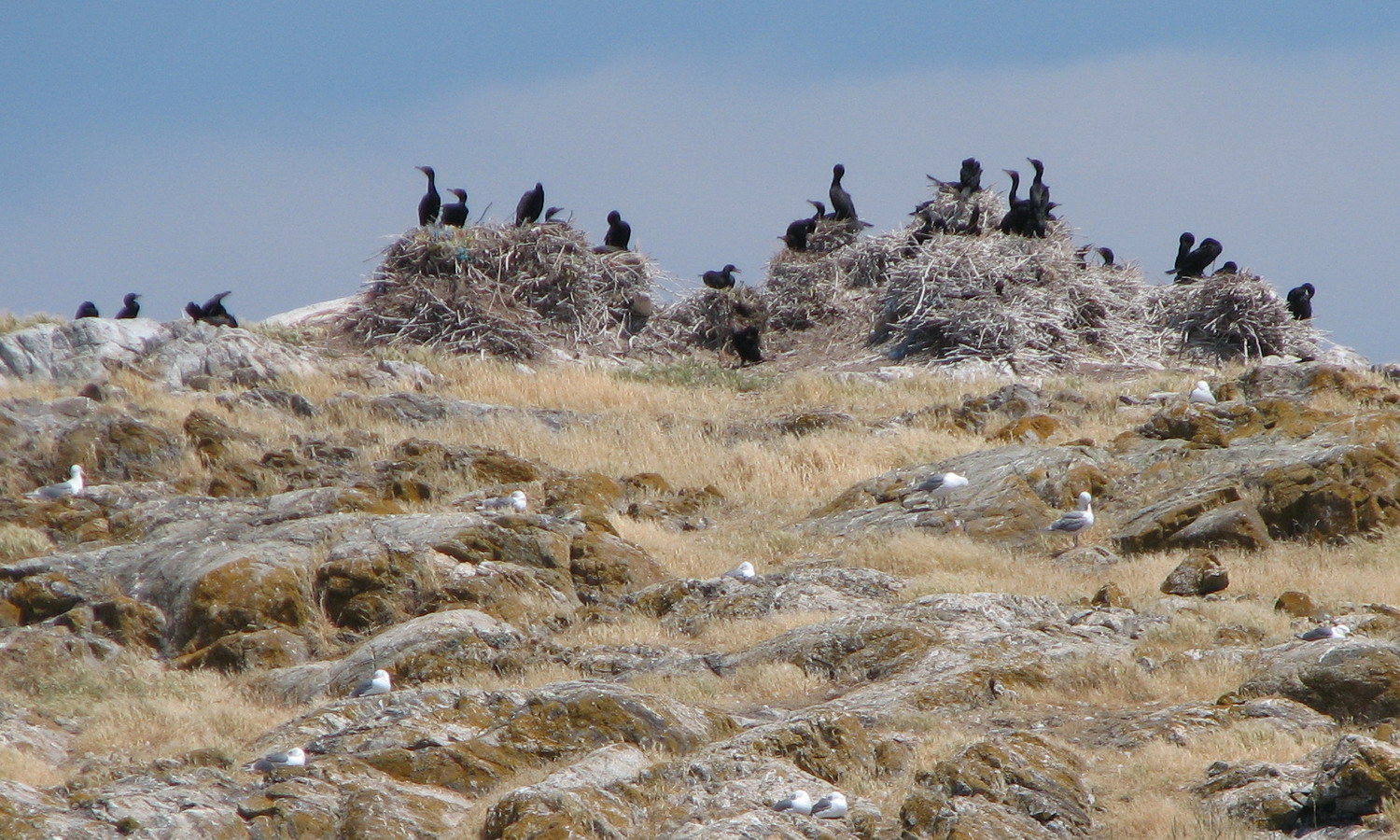
By Matt Fairbarns From: THE LOG    FRIENDS OF ECOLOGICAL RESERVES NEWSLETTER SPRING/SUMMER 2010 Trial Island is an ecological gem and hosts a great number of rare species and ecosystems. The upland mead- ows, maintained free of native trees and shrubs by a combina- tion of summer drought and winter winds, support many endangered species including

Indirect predator effects on clutch size and the cost of Egg production

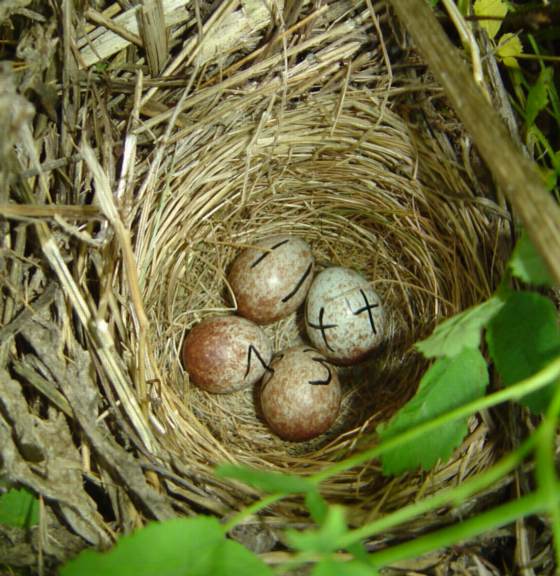
Abstract Predator-induced changes in physiology and behaviour may negatively affect a prey’s birth rate. Evidence of such indirect predator effects on prey demography remains scarce in birds and mammals despite invertebrate and aquatic studies that suggest ignoring such effects risks profoundly underestimating the total impact of predators. We report the first experimental demonstration of indirect

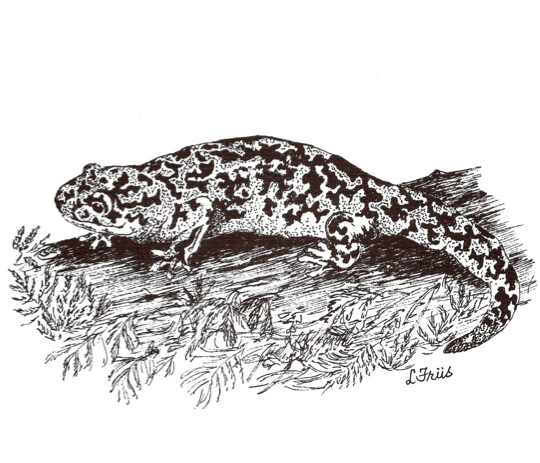
Recovery Strategy for the Pacific Giant Salamander (Dicamptodon tenebrosus) in British Columbia

Prepared by the Pacific Giant Salamander Recovery Team April 2010 (Dicamptodon tenebrosus) in British Columbia. Prepared for the B.C. Ministry of Environment, Victoria, BC. 42pp. See the full 53 page report :pacific_giant_salamander_rcvry_strat26Apr2010 Cover illustration/photograph Laura Friis EXECUTIVE SUMMARY The Pacific Giant Salamander is a large charismatic salamander that can grow up to 30 cm in

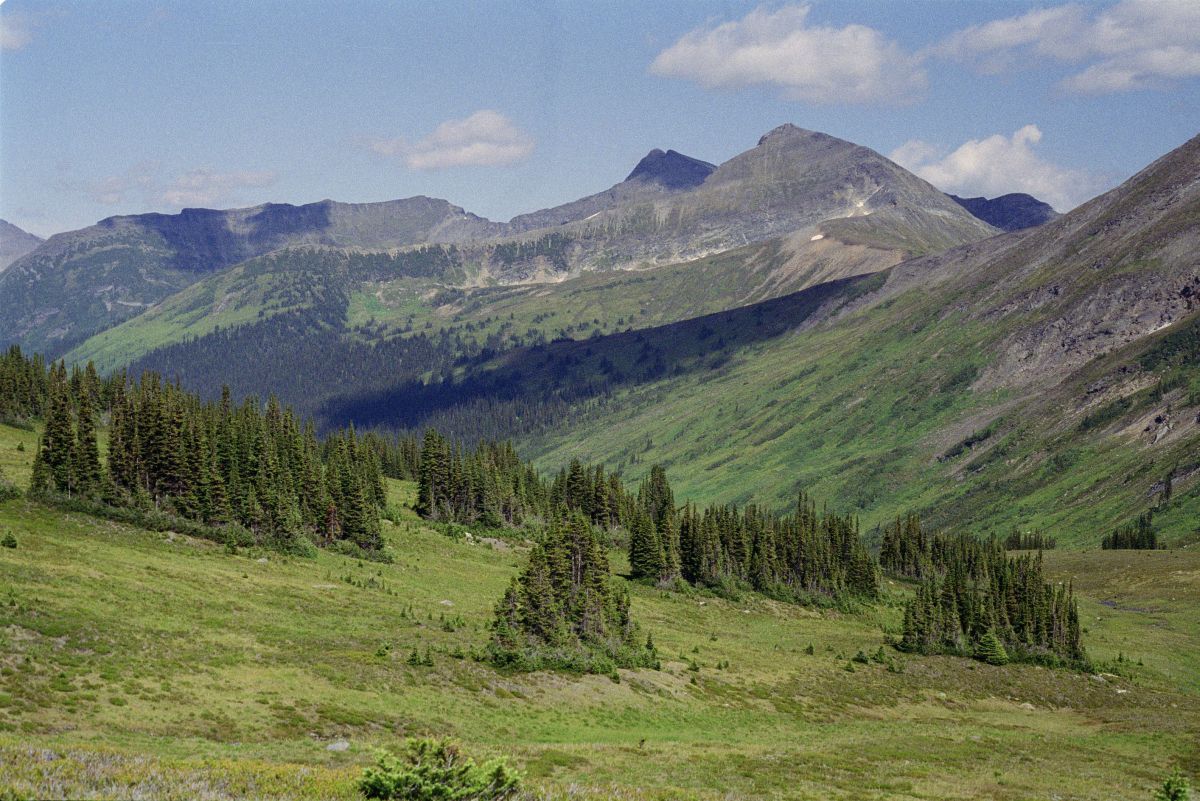
Ospika Cones Ecological Reserve #152 Maps

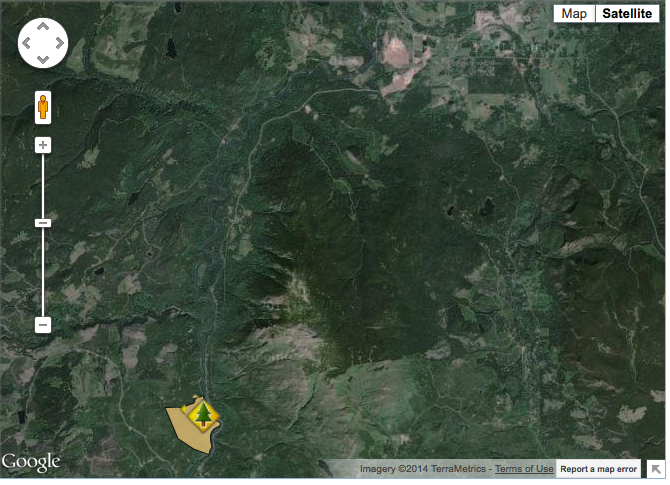
This reserve is only accessible by helicopter and one must have a permit to access it as it is such  a fragile ecosystem. Below is a satellite map view of both Sikanni Chief River (ER #42) and Ospika Cones Ecological reserves (ER # 152) in relation to Redfern -Kelly Provincial park. Both maps are adapted

Effectiveness of a five-minute Demolition Interval to Mitigate Blasting Noise Impacts in Military Training Area WQ on Sea Lions in the Race Rocks Ecological Reserve, B.C.

Executive Summary: Noise from explosions at the Bentinck Island Demolition Range at Canadian Forces Ammunition Depot (CFAD) Rocky Point has the potential to disturb pinnipeds (seals and sea lions) hauled out in the Race Rocks Ecological Reserve (RRER). Such disturbance is prohibited by the Marine Mammal Regulations (MMRs) under the Fisheries Act and may be

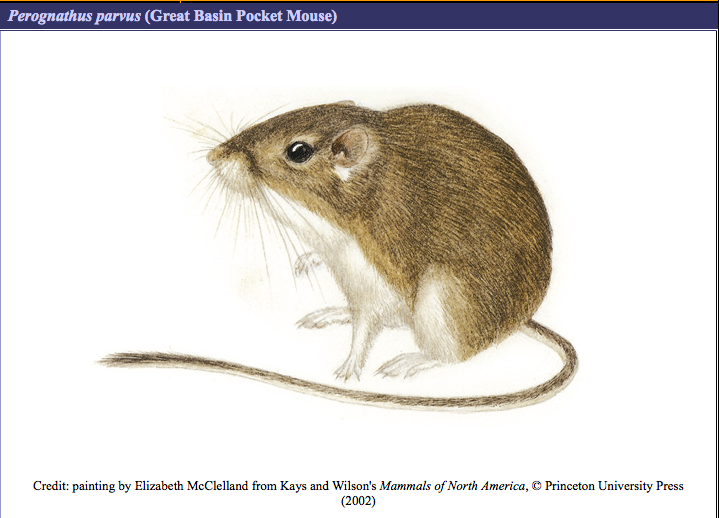
2010 – small mammals – Okanagan Valley – Penticton

2010 – Small mammals – Okanagan Valley – Penticton – Environment Canada Title Small mammal abundance, habitat selection, and movement patterns in shrub-steppe habitat in British Columbia’s Okanagan Valley Author Melaschenko, Natalie Christina Here is a link to the report, https://circle.ubc.ca/bitstream/handle/2429/19940/Natalie%20Melaschenko_M.Sc.%20Thesis.pdf?sequence=1. For more details, see http://a100.gov.bc.ca/pub/siwe/search_process.do?sortOrder=0&projectID=4716. Objectives The objectives of this study were: 1) to

2010 – Pale Evening-Primrose – South Okanagan – Penticton

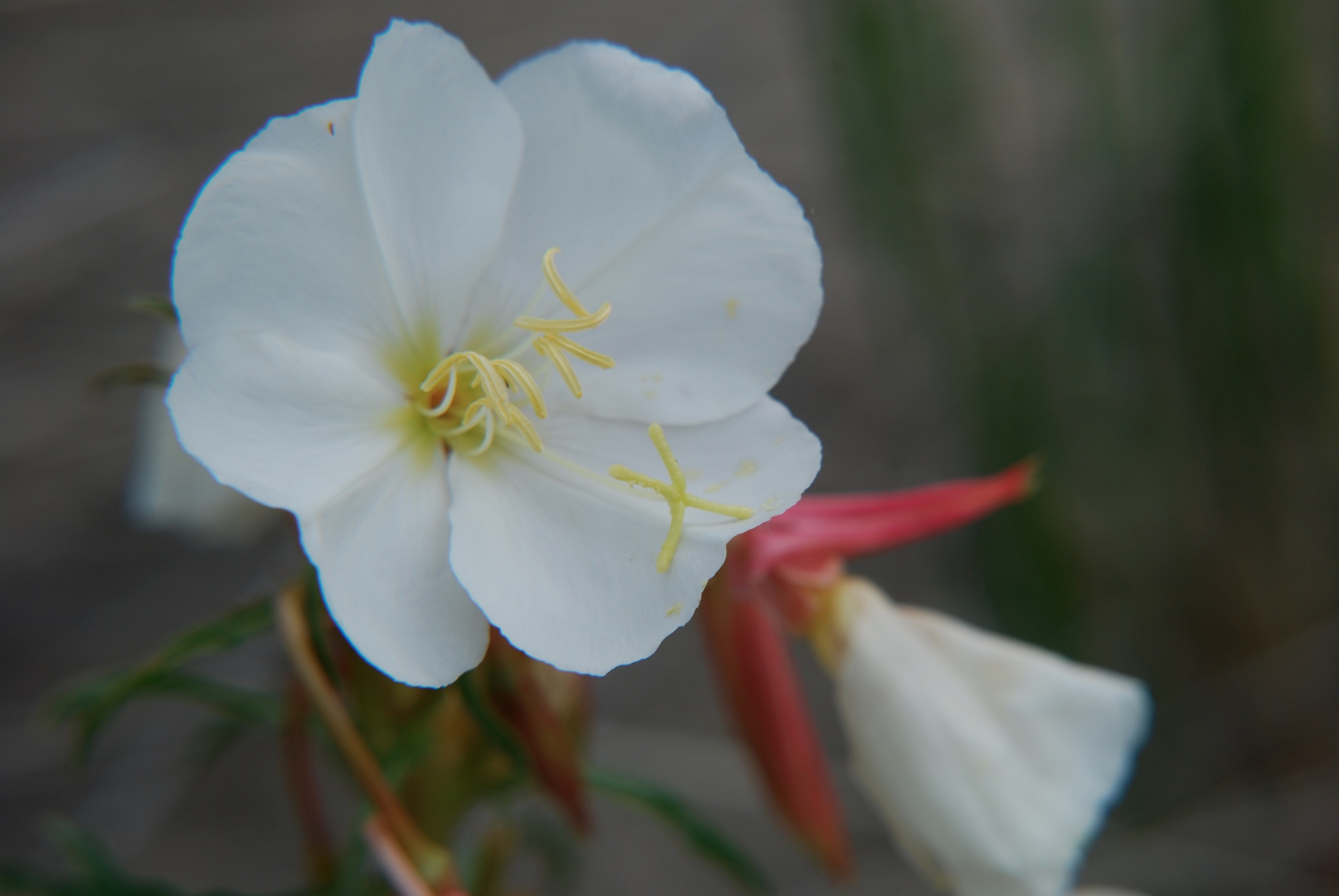
2010 – Pale Evening-Primrose – South Okanagan – Penticton – MOE For access to the report data, see http://a100.gov.bc.ca/pub/siwe/search_process.do?sortOrder=0&projectID=4698. Objectives Pale evening primrose (Oenothera pallida) is listed as S1 (Red-listed) in British Columbia (CDC 2010). It is a priority 2 under goal 3 (Maintain the diversity of native species and ecosystems) of the BC Conservation

Rankine and Langtry Islands IBA Report

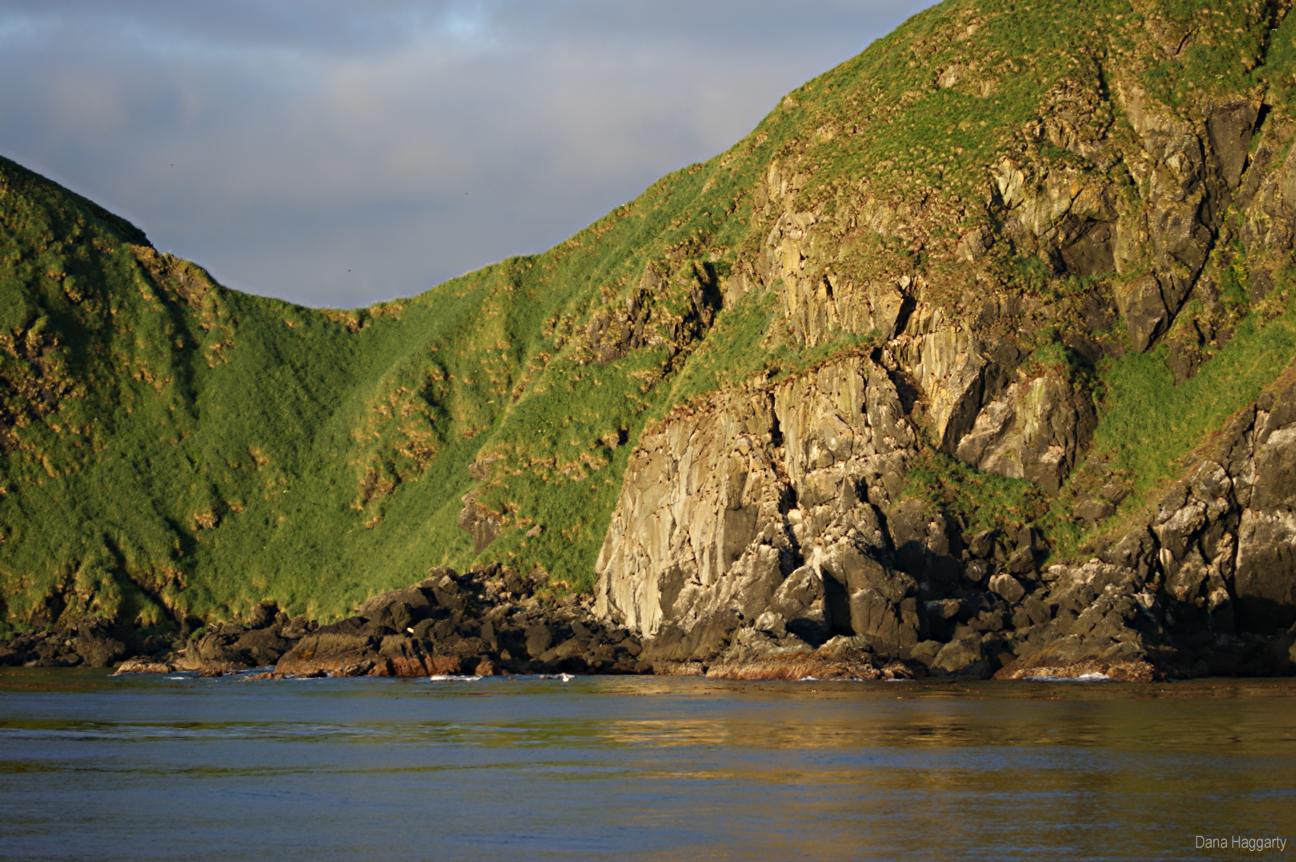
IBA Rankine and Langtry Islands Queen Charlotte Islands, British Columbia Site Summary BC137 Latitude Longitude 52.261° N 131.057° W Elevation Size 0 – 50 m 103.2 km² Habitats: coniferous forest (boreal/alpine), scrub/shrub, rocky flats & barrens Land Use:  Not Utilized (Natural Area) Potential or ongoing Threats:  Disturbance, Introduced species, Oil slicks IBA Criteria: Globally Significant: Congregatory Species,