Conservation of Ecological Integrity in B.C. Parks and Protected Areas

Report 3 August 2010: EXECUTIVE SUMMARY: British Columbia’s parks and protected areas – about 1,000 in all – are integral to the quality of life in this province. These areas help purify the water, provide habitat to rare and endangered species, regulate climate, and contribute to British Columbians’ physical, mental, economic, social and spiritual well-being.

Battling Broom on Trial Island ER

By Matt Fairbarns From: THE LOG    FRIENDS OF ECOLOGICAL RESERVES NEWSLETTER SPRING/SUMMER 2010 Trial Island is an ecological gem and hosts a great number of rare species and ecosystems. The upland mead- ows, maintained free of native trees and shrubs by a combina- tion of summer drought and winter winds, support many endangered species including

Shorebirds of Mahoney Lake ER # 130

This gallery highlights the work of Tania Simpson who has posted images of Mahoney Lake on her Flickr site.  We  are most grateful for permission to use the images here and we urge you to check out her other images on Flickr as well.      Mahoney Lake Ecological Reserve  Mahoney Lake Ecological Reserve Female

Conservation of Ecological Integrity In BC Parks and Protected Areas: Auditor Generals Report

See the complete pdf of the report: OAGBC_Parks Report_OUT2 Executive Summary : British Columbia’s parks and protected areas – about 1,000 in all – are integral to the quality of life in this province. These areas help purify the water, provide habitat to rare and endangered species, regulate climate, and contribute to British Columbians’ physical,

BC Conservation Data Centre: Conservation Status Report marbled murrelet

BC Conservation Data Centre: Conservation Status Report B.C. Conservation Data Centre. 2014. Conservation Status Report: Brachyramphus marmoratus. B.C. Minist. of Environment. Available:http://a100.gov.bc.ca/pub/eswp/ (accessed Jun 19, 2014). Brachyramphus marmoratus Marbled Murrelet Scientific Name: Brachyramphus marmoratus English Name: Marbled Murrelet Provincial Status Summary Status: S3B,S3N Date Status Assigned: May 18, 2010 Date Last Reviewed: May 18, 2010 Reasons: Widespread breeder in old coastal forests, but has

Indirect predator effects on clutch size and the cost of Egg production

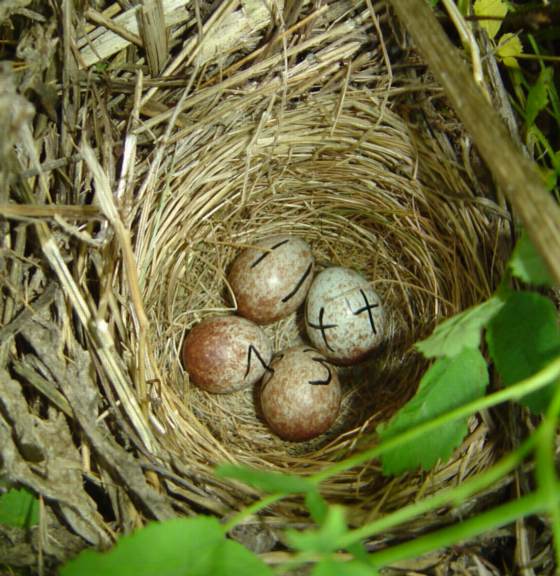
Abstract Predator-induced changes in physiology and behaviour may negatively affect a prey’s birth rate. Evidence of such indirect predator effects on prey demography remains scarce in birds and mammals despite invertebrate and aquatic studies that suggest ignoring such effects risks profoundly underestimating the total impact of predators. We report the first experimental demonstration of indirect

Recovery Strategy for the Pacific Giant Salamander (Dicamptodon tenebrosus) in British Columbia

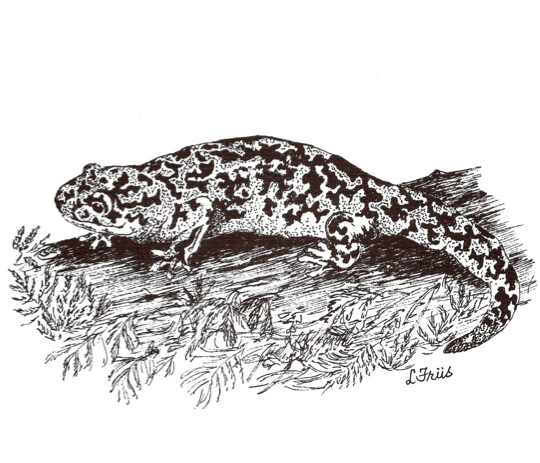
Prepared by the Pacific Giant Salamander Recovery Team April 2010 (Dicamptodon tenebrosus) in British Columbia. Prepared for the B.C. Ministry of Environment, Victoria, BC. 42pp. See the full 53 page report :pacific_giant_salamander_rcvry_strat26Apr2010 Cover illustration/photograph Laura Friis EXECUTIVE SUMMARY The Pacific Giant Salamander is a large charismatic salamander that can grow up to 30 cm in

Ospika Cones Ecological Reserve #152 Maps

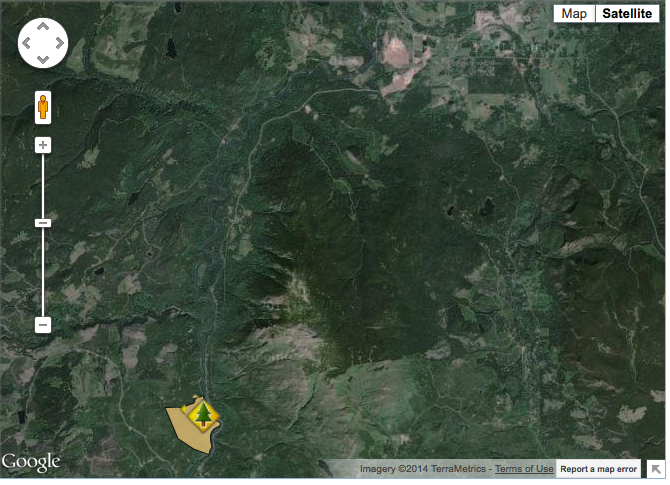
This reserve is only accessible by helicopter and one must have a permit to access it as it is such  a fragile ecosystem. Below is a satellite map view of both Sikanni Chief River (ER #42) and Ospika Cones Ecological reserves (ER # 152) in relation to Redfern -Kelly Provincial park. Both maps are adapted

Effectiveness of a five-minute Demolition Interval to Mitigate Blasting Noise Impacts in Military Training Area WQ on Sea Lions in the Race Rocks Ecological Reserve, B.C.

Executive Summary: Noise from explosions at the Bentinck Island Demolition Range at Canadian Forces Ammunition Depot (CFAD) Rocky Point has the potential to disturb pinnipeds (seals and sea lions) hauled out in the Race Rocks Ecological Reserve (RRER). Such disturbance is prohibited by the Marine Mammal Regulations (MMRs) under the Fisheries Act and may be

Protected Areas, Climate Change & The Path Forward

By Tory Stevens, with assistance from Doug Biffard and Trevor Murdock Speaking notes transcribed by Mike Fenger with permission (Photos by Bill Munt, Gail Ross, Boomer Jerritt, Greg Betz & BC Parks) From: THE LOG    FRIENDS OF ECOLOGICAL RESERVES NEWSLETTER SPRING/SUMMER 2010 Introduction This is a summary of a public presentation organized by Friends of

2010 – small mammals – Okanagan Valley – Penticton

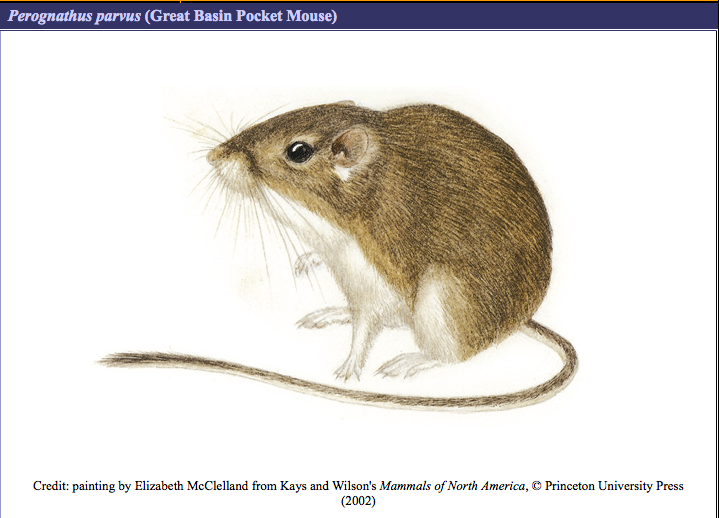
2010 – Small mammals – Okanagan Valley – Penticton – Environment Canada Title Small mammal abundance, habitat selection, and movement patterns in shrub-steppe habitat in British Columbia’s Okanagan Valley Author Melaschenko, Natalie Christina Here is a link to the report, https://circle.ubc.ca/bitstream/handle/2429/19940/Natalie%20Melaschenko_M.Sc.%20Thesis.pdf?sequence=1. For more details, see http://a100.gov.bc.ca/pub/siwe/search_process.do?sortOrder=0&projectID=4716. Objectives The objectives of this study were: 1) to

2010 – Pale Evening-Primrose – South Okanagan – Penticton

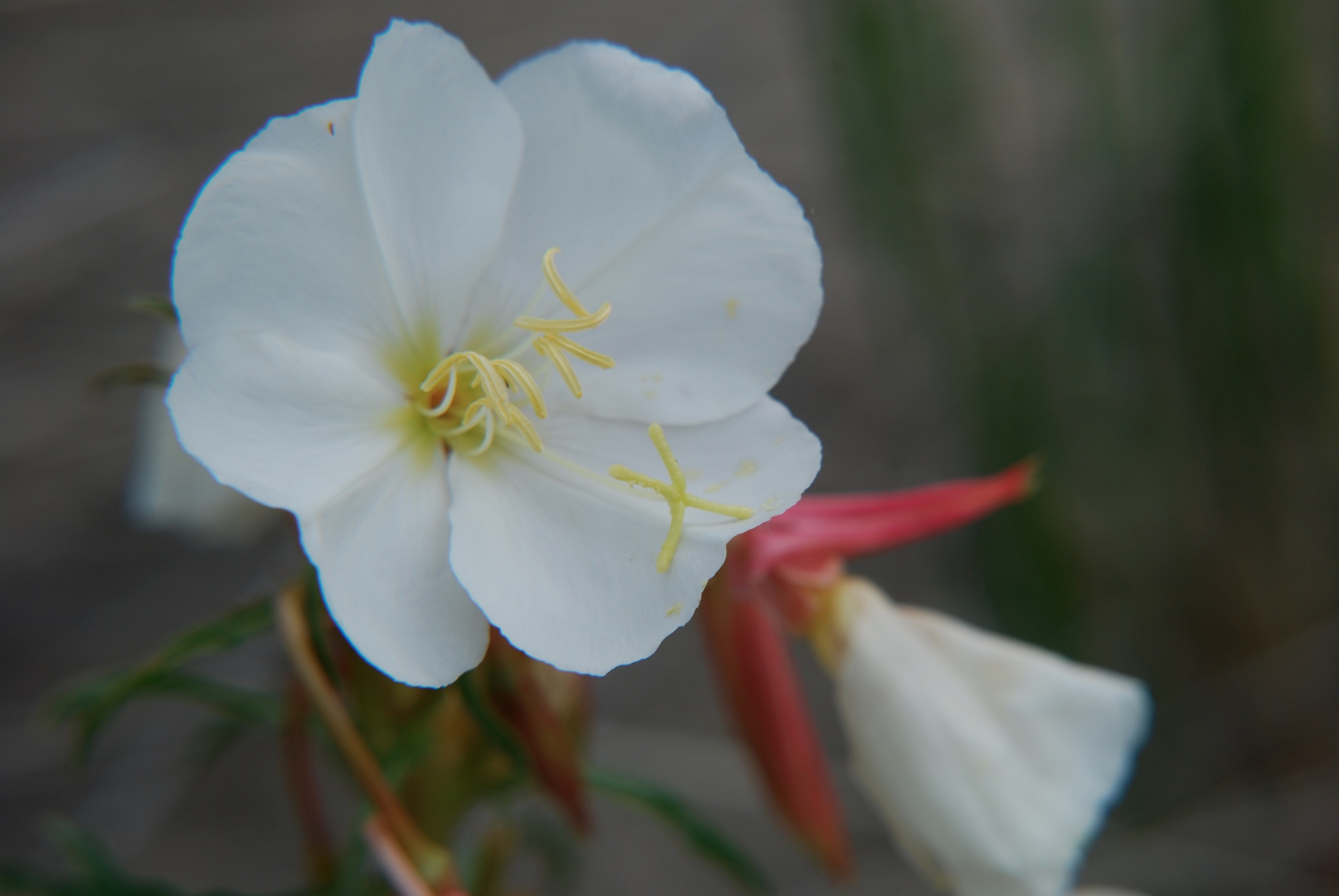
2010 – Pale Evening-Primrose – South Okanagan – Penticton – MOE For access to the report data, see http://a100.gov.bc.ca/pub/siwe/search_process.do?sortOrder=0&projectID=4698. Objectives Pale evening primrose (Oenothera pallida) is listed as S1 (Red-listed) in British Columbia (CDC 2010). It is a priority 2 under goal 3 (Maintain the diversity of native species and ecosystems) of the BC Conservation

Rankine and Langtry Islands IBA Report

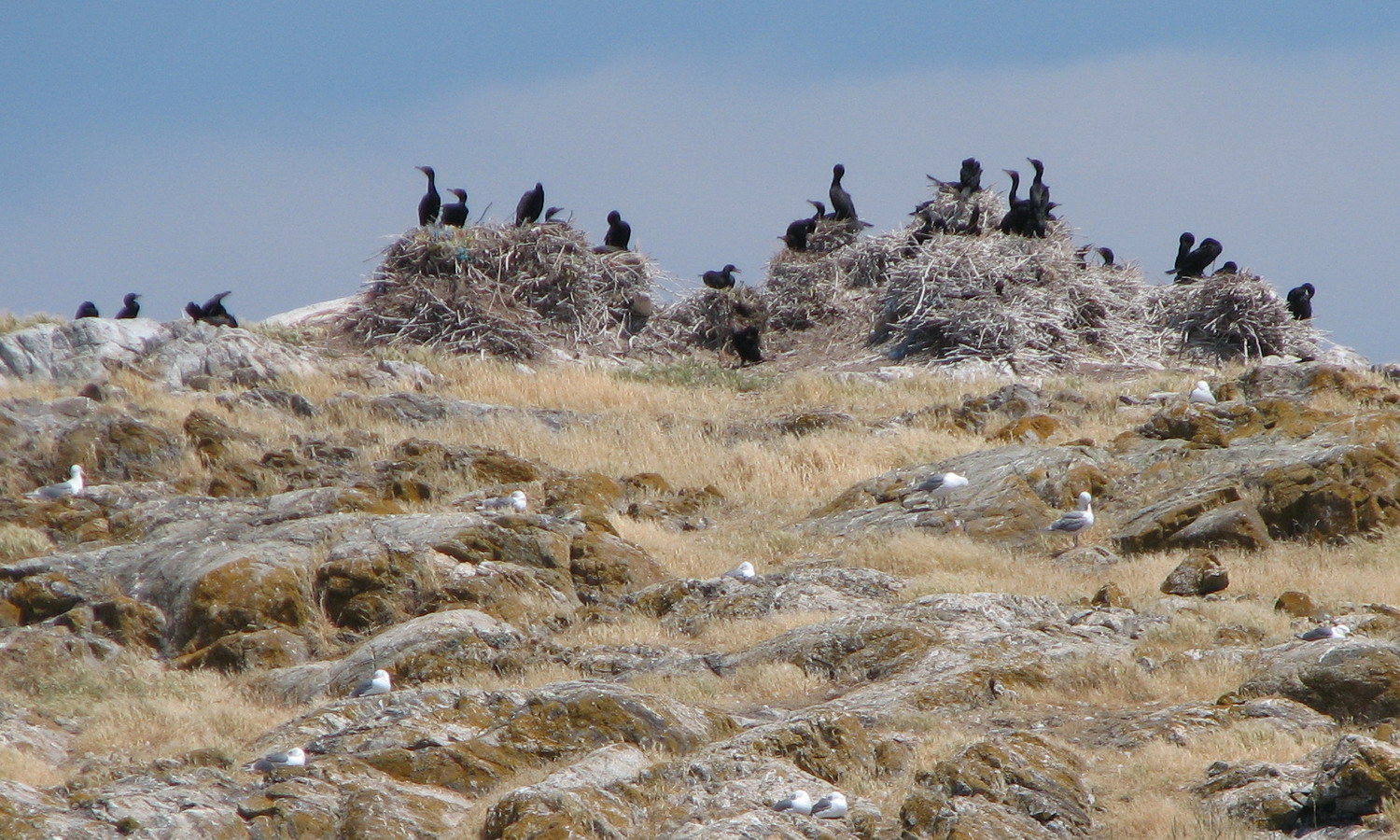
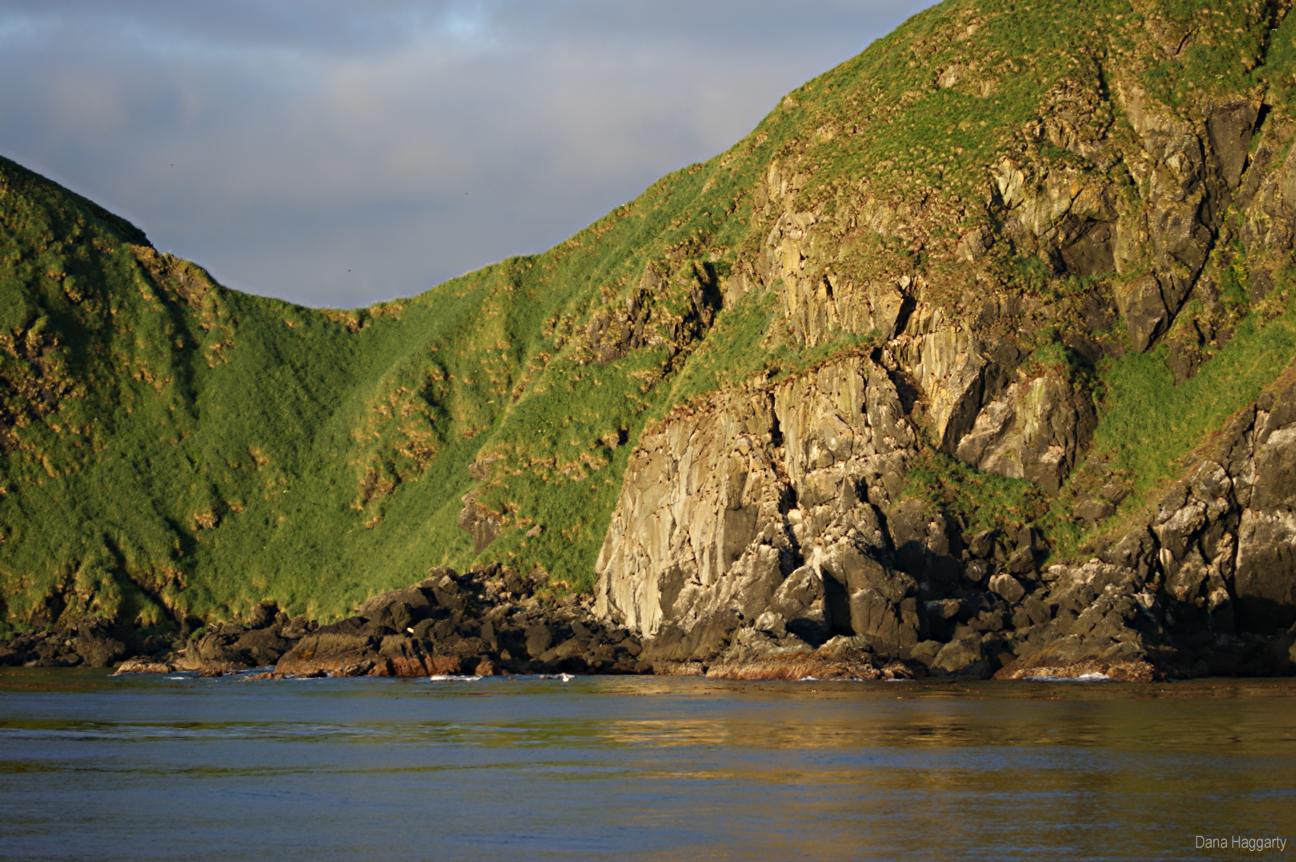
IBA Rankine and Langtry Islands Queen Charlotte Islands, British Columbia Site Summary BC137 Latitude Longitude 52.261° N 131.057° W Elevation Size 0 – 50 m 103.2 km² Habitats: coniferous forest (boreal/alpine), scrub/shrub, rocky flats & barrens Land Use:  Not Utilized (Natural Area) Potential or ongoing Threats:  Disturbance, Introduced species, Oil slicks IBA Criteria: Globally Significant: Congregatory Species,