(Brackendale Eagles Park,) Baynes Island ER (Tantalus Park) Management Plan, 2012

The latest BC Parks Management Plan Baynes Island Ecological Reserve protects the black cottonwood floodplain ecosystem. Recreation is not encouraged on Baynes Island but opportunities for scientific study and research are permitted to enhance scientific knowledge of low elevation coastal floodplain ecology. For the full PDF  see: bebit_mp-1 Excerpts of the Plan are provided here:

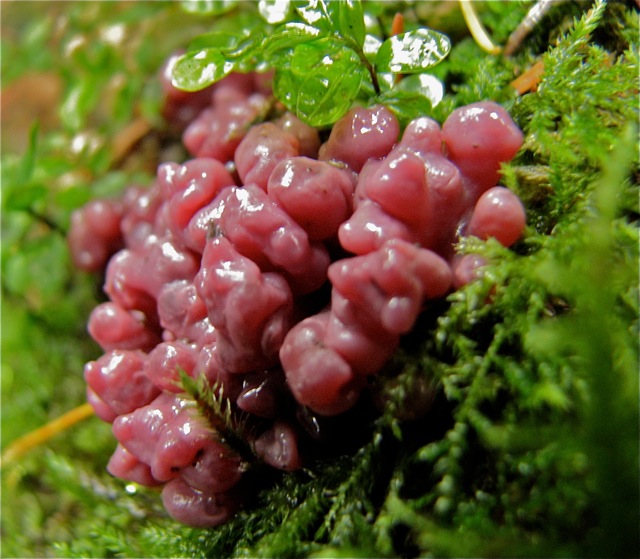
Images of Amoebobacter and Copepods in Mahoney Lake ER #130

The images of Mahoney lake Ecological Reserve which appear on several Flickr sites suggest that it is a very unique ecosystem with unusual physical and biological characteristics. It is a meromictic lake, meaning a lake in which some water remains partly or wholly unmixed with the main water mass at the seasonal circulation periods, probably

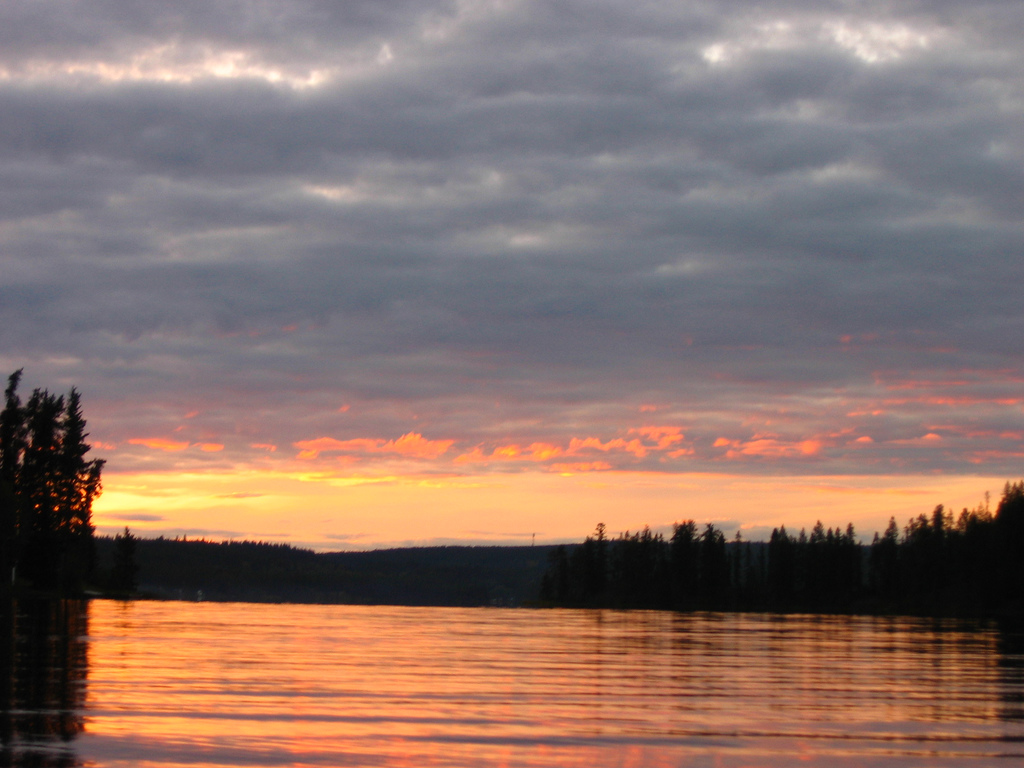
Images of Tacheeda Lake

We are fortunate to be able to include here two high quality images of Tacheeda lake from the Flickr site of Dan Stanyer.  He comments: “We went for a drive to check out the fall colors, and ended up at Tacheeda Lake north of Prince George, BC. The water was quite calm and clear. There were

Big White Controversy Part 2

A follow-up on The Big White Controversy Part 1 Our Ongoing Concerns for Big White Ecological Reserve #34  February, 2012 In December of 2011 a letter was sent to the Administration of Big White resorts.  Website: www.bigwhitesilverstar.com Corporate Head Office 1894 Ambrosi Road Kelowna. I indicated I was  redoing the Big White part of the

How to move over quickmud.

Invasive Species in Mara Meadows

Oxeye Daisy is the most problematic invasive species in Mara Meadows.  Neglected farm fields adjoining the Reserve generate massive quantities of seed which make their way through the meadow, especially along a ditch made by the farmer in an attempt to drain the meadow in the early 1970’s The ecological wardens have been picking the daisies

IBA records of Great Blue Heron Colony

From http://www.bsc-eoc.org/iba/site.jsp?siteID=BC018 IBA Pacific Spirit Regional Park U of BC – Point Grey, British Columbia Site Summary BC018 Latitude Longitude 49.244° N 123.218° W Elevation Size 50 – 87 m 1.92 km² Habitats: coniferous forest (temperate), deciduous woods (temperate), mixed woods (temperate), rivers/streams, bog, urban parks/gardens Land Use: Nature conservation and research, Tourism/recreation Potential or

IBA Duke of Edinburgh ER Bird Islands

From : http://www.ibacanada.com/site.jsp?siteID=BC007&lang=EN IBA Duke of Edinburgh Ecological Reserve Port Hardy, British Columbia Site Summary BC007 Latitude Longitude 50.987° N 127.68° W Elevation Size 0 – 85 m 99.28 km² Habitats: coniferous forest (temperate), coastal cliffs/rocky shores (marine) Land Use: Not Utilized (Natural Area) Potential or ongoing Threats: Disturbance, Oil slicks IBA Criteria: Globally Significant:

Evolutionary and Ecological Studies In Reimchen’s lab

This is a reference to the work of Dr. Tom Reimchen  from his webpage http://web.uvic.ca/~reimlab/index.html Dr. Reichen was supported in his early research at Drizzle Lake by The Friends of Ecological Reserves. Summaries of his research in the following areas are illustrated: Adaptive Radiation and Functional Morphology Haida Gwaii Lakes , Biophysical Data Salmon Forest

Ambrose Lake Hiking & Biking Route !

Ed Note: This article provides full access information to the trails of the area, although they do say you are supposed to have access with  permit only, it is questionable whether anyone would take this seriously..  From: http://www.sunshine-coast-trails.com/ambrose-lake.html Ambrose Lake Hiking & Biking Route Trail Rating for Bikers: Easy (Beginner) Ambrose Lake is an ecological

Stability, resilience, and phase shifts in rocky subtidal communities along the west coast of Vancouver Island, Canada

Ecological Monographs, 81(2), 2011, pp. 215–239    2011 by the Ecological Society of America See complete pdf file:Watson&Estes 2011 Abstract. We used the extirpation, reintroduction, and spread of sea otters (Enhydra lutris) along the west coast of Vancouver Island, Canada, to evaluate how the otter–urchin– algae trophic cascade creates variation in rocky reef community structure