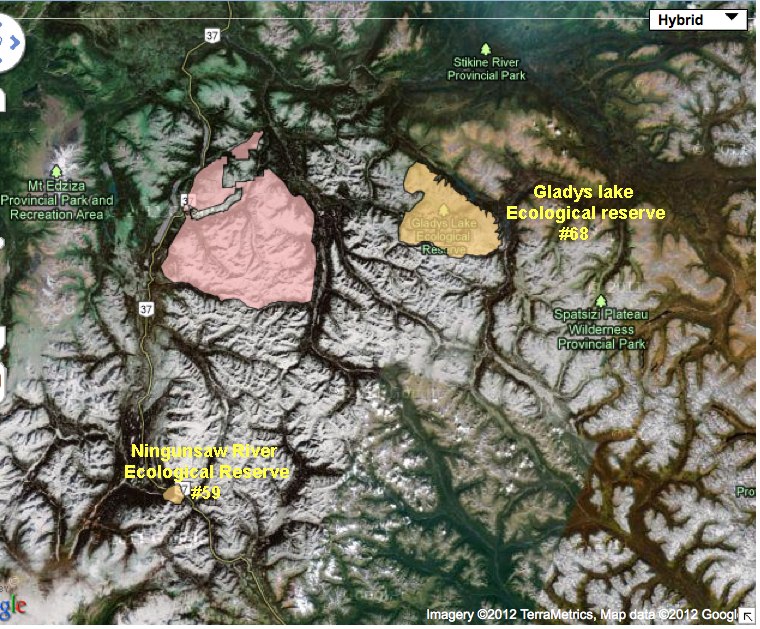
Cleland Island map in relation to other BC Parks
Two maps are included here the first a close up of satellite imagery, the second that shows the location in relation to other BC Parks.

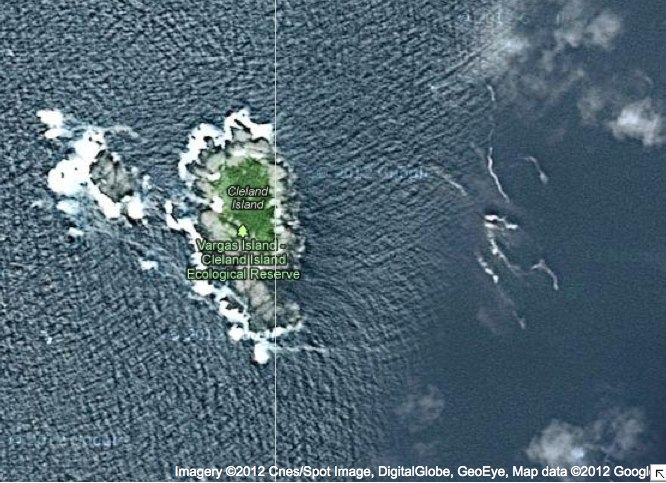
Two maps are included here the first a close up of satellite imagery, the second that shows the location in relation to other BC Parks.
ORIGINAL PURPOSE: To preserve an elevational sequence of three biogeoclimatic zones in a transition between coastal and interior climates PHYSICAL: The reserve encloses a rounded mountain on the interior flank of the Coast Mountains. This mountain, in contrast to higher peaks south and west of it, was over-ridden by Pleistocene ice, and is too low

Volunteer Warden, Anne Stewart, of the Bamfield Marine Sciences Centre, Bamfield, BC, V0R1B0 Did this report for 2005-2006on the Bamfield Marine Sciences Centre Volunteer Biodiversity Monitoring Monitoring Activities Except for one visit made in collaboration with BC Parks personnel (described below as site visit May 31, 2006), biodiversity monitoring activities at the Baeria Rocks Ecological
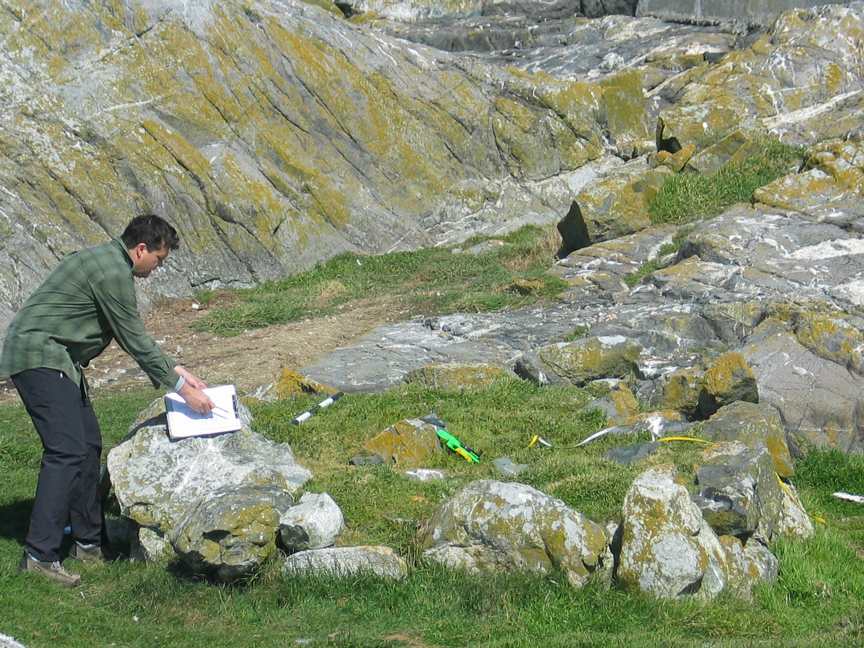
The configuration of the rocks in several stone mounds at Race Rocks are suggestive of First Nations use of this area for Burial Mounds in the period AD 500-AD 1000. Investigation into sites on the lower part of Vancouver Island by Darcy Mathews, a graduate student of the University of Victoria, has shown that over
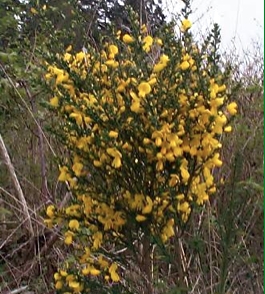
1 Introduction Invasive plants can be found throughout the Okanagan Region, introduced by travel, trade, gardening and agricultural practices. Non-native species introduced to the area are free of the natural predators and pathogens that would otherwise keep their populations in check in their natural habitats. The often aggressive and competitive nature of invasive plant species

Background Summary The 951 hectare Big White Mountain Ecological Reserve lies on the northern flank of Big White Mountain about 42 km east of Kelowna. In addition to the mountain top at 2,315 metres, the Ecological Reserve includes, on the east side, a very small portion of the upper Whitefoot Creek and on the north
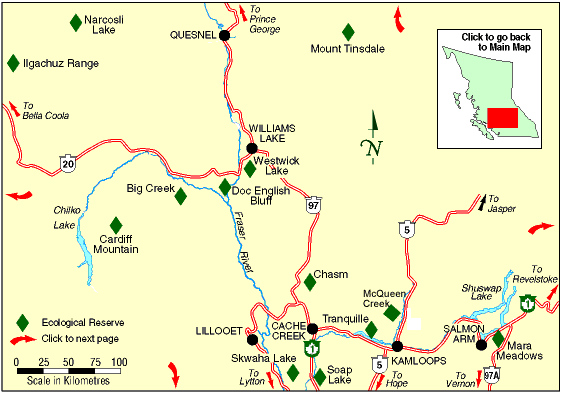
The two maps following are adapted from the BC Parks Website.
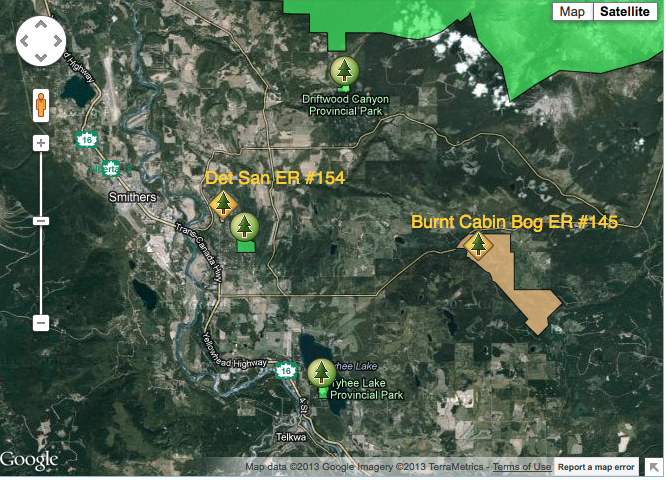
This satellite map was adapted from the BC Parks website.
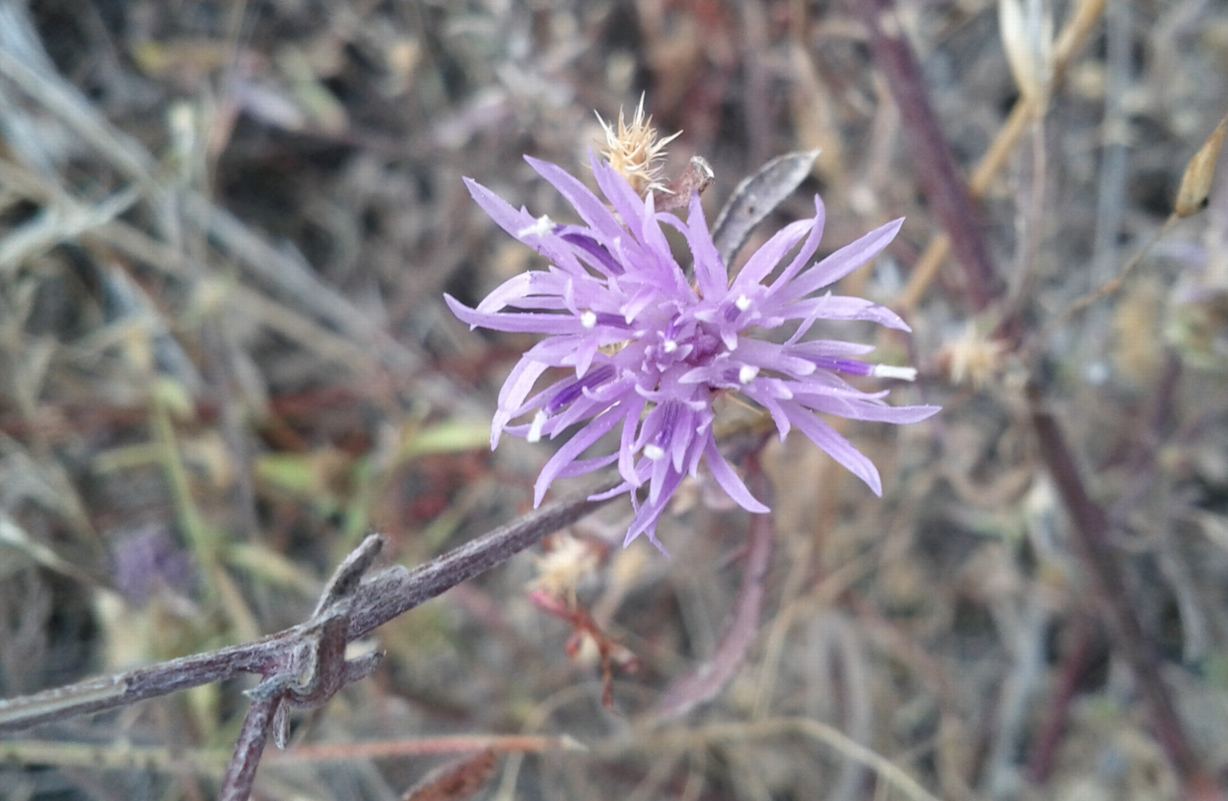
The Okanagan Region governs more than 330,000 hectares of park, protected areas, ecological reserves and The Nature Trust of BC leaseback lands. The diversity of ecosystems that occur within these lands, support many of British Columbia’s identified species at risk. However, the introduction of various invasive plant species has severely threatened the integrity of these

The purpose of the BMP document is to provide stewardship guidelines for fire hazard abatement in a variety of Conservation Lands in order to prevent adverse impacts on Conservation Lands; for example, parks and protected areas, ungulate winter ranges (UWR), wildlife management areas (WMA), wildlife habitat areas (WHA) / fish & wildlife reserves and Order
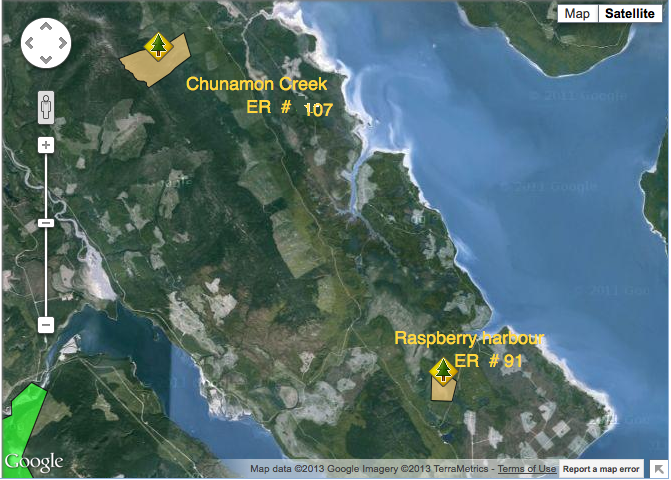
These maps were adapted from the BC Parks website :
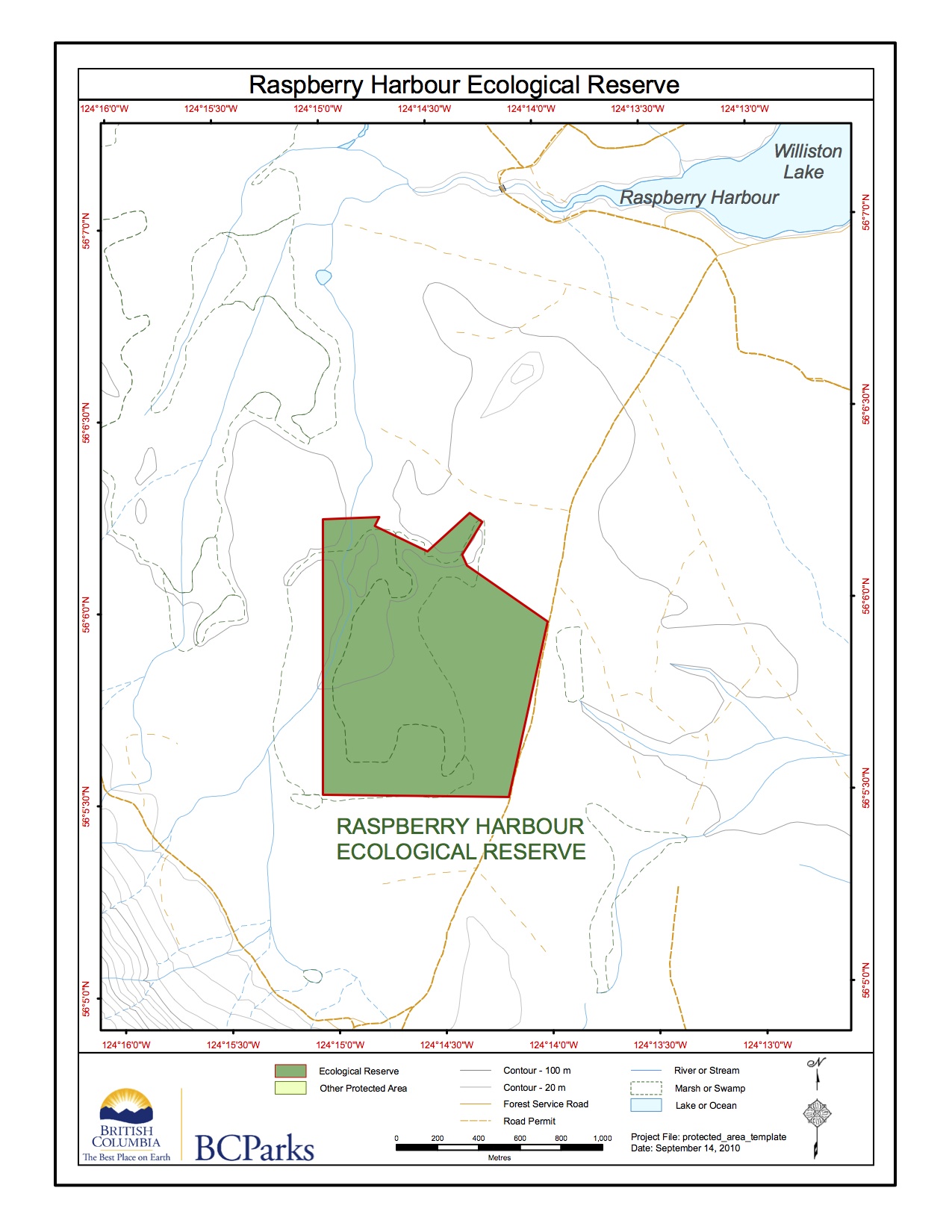
This map was adapted from the BC Parks website:
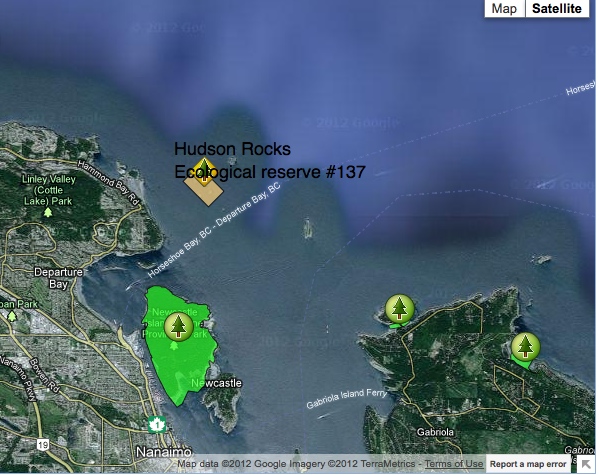
Satellite map showing location, adapted from the BC Parks website
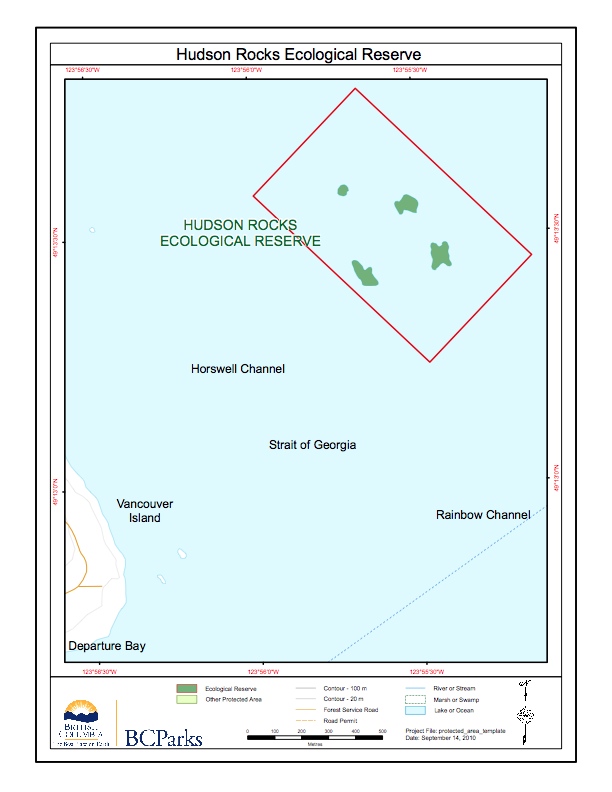
This map is adapted from BC Parks:
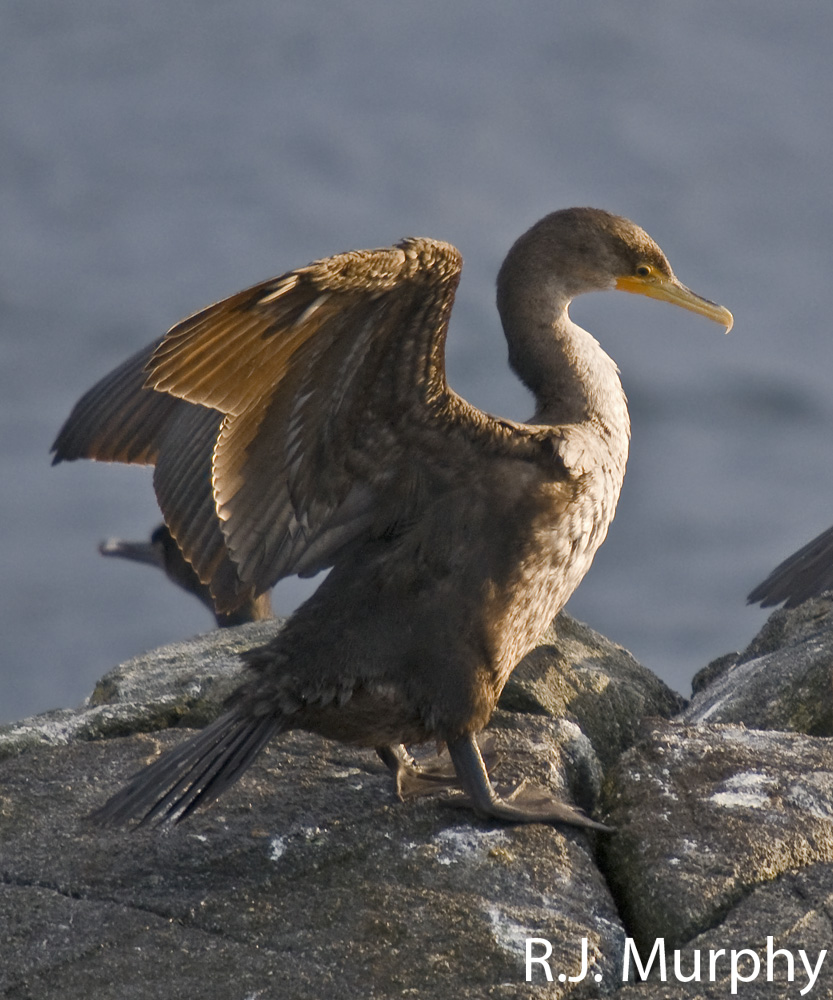
ORIGINAL PURPOSE To protect seabird breeding habitat and intertidal and nearshore subtidal habitat typical of the Strait of Georgia Marine Ecosection PHYSICAL:The reserve is almost entirely subtidal and protects approximately 48 ha of coastal waters and four semi-exposed rocky islets totalling two ha. The waters are influenced by high turbidity and seasonally stratified water temperature

ORIGINAL PURPOSE: To protect a variety of alpine communities representative of the westrern edge of the Rocky Mountains. McBride Peak, 5.5 km NE of the town of McBride 53o21’N 120o06’W 1,830-2,270 m. Access to vicinity of reserve is available by foot or four-wheel drive vehicle up fire lookout road, east of McBride. See the complete
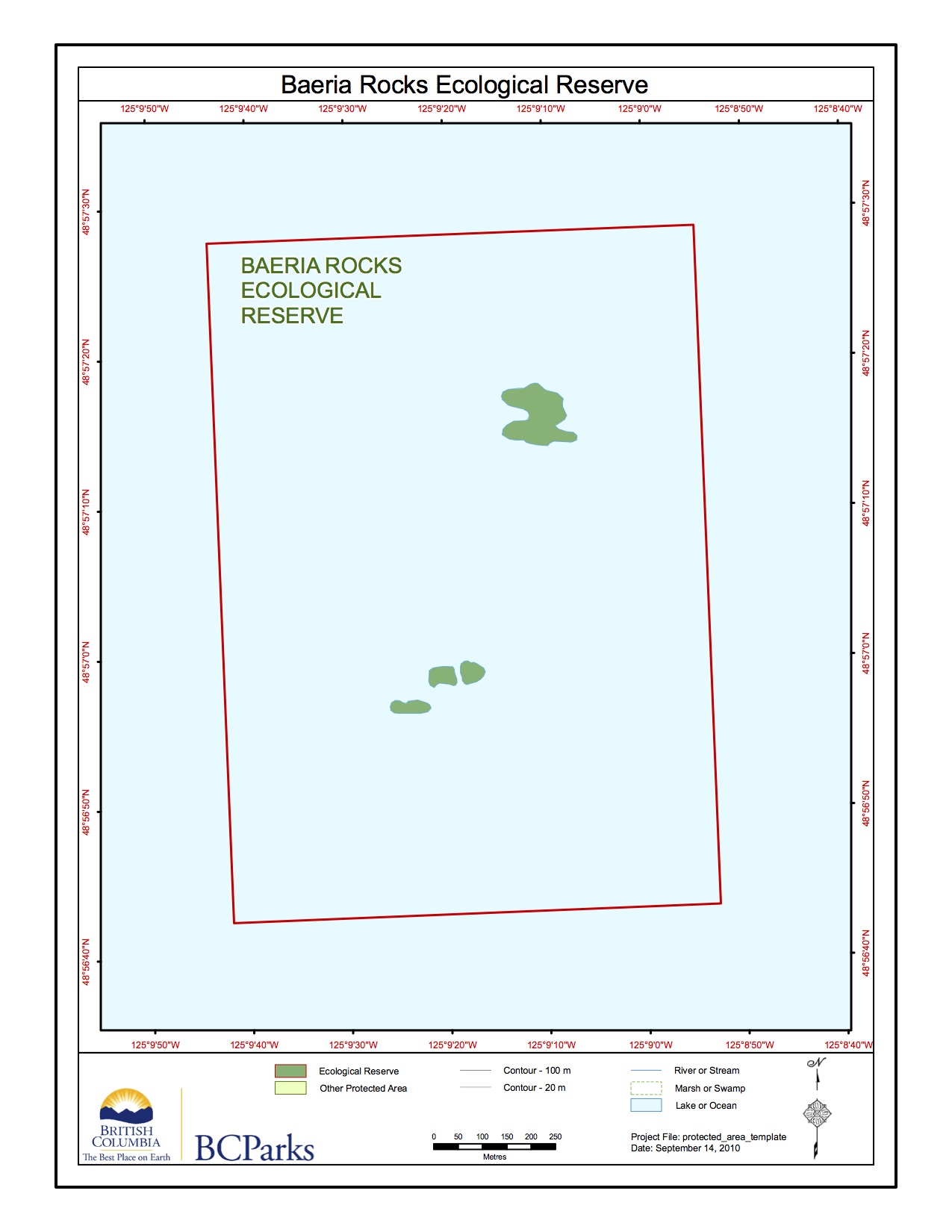
This map was adapted from the BC Parks website: