Failing To Plan Or Planning To Fail: A Case For A New Protected Areas Vision In BC

Mike Fenger and Jenny Feick, Ph.D. We are critical of conservation initiatives and the messaging to British Columbians of the adequacy and success of conservation measures within existing Parks and the areas between Parks. A new approach is desperately needed. We provide both evidence of current shortcomings and elements integral to a new conservation vision.

The Morice Land and Resource Management Plan

Morice Land and Resource Management Plan (LRMP) The Morice Land and Resource Management Plan (LRMP) planning boundaries encompass approximately 1.5 million hectares. They include the communities of Houston, Topley, Granisle, Topley Landing and rural settlements dispersed throughout the plan area. The population of the plan area is approximately 5,200. See the full version with links

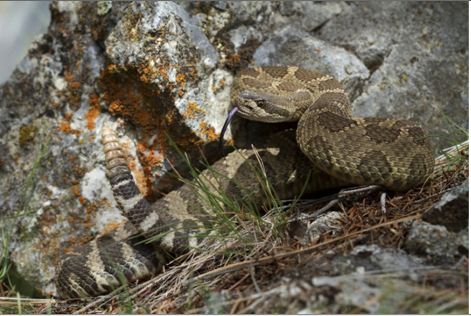
Species Account and Population Assessment for the Northern Pacific Rattlesnake in Canada

 Prepared By: Jared Hobbs, M.Sc. / RPBio  August 15, 2013  Abstract You can access the complete report in PDF form here: CROR sps account This account is intended to provide a complete synthesis of over a decade of research and inventory on the Northern Pacific Rattlesnake (Crotalus oreganus oreganus) throughout the species’ Canadian range. This

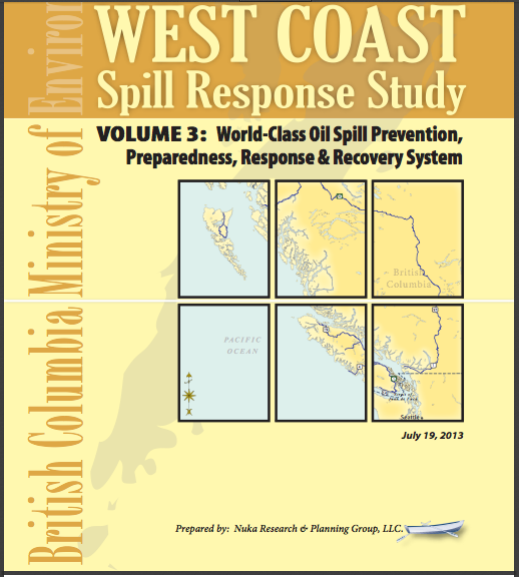
West Coast Spill Response Study Volume 3-July 2013

World-Class Oil spill Prevention, Preparedness, Response & Recovery System, July 19, 2013. See the full PDF of this document as presented on the Ministry of the Environment website: West Coast Spill Response_Vol3_Analysis_130722 EXECUTIVE SUMMARY The British Columbia Ministry of Environment commissioned Nuka Research and Planning Group, LLC, to prepare this report. The report is the

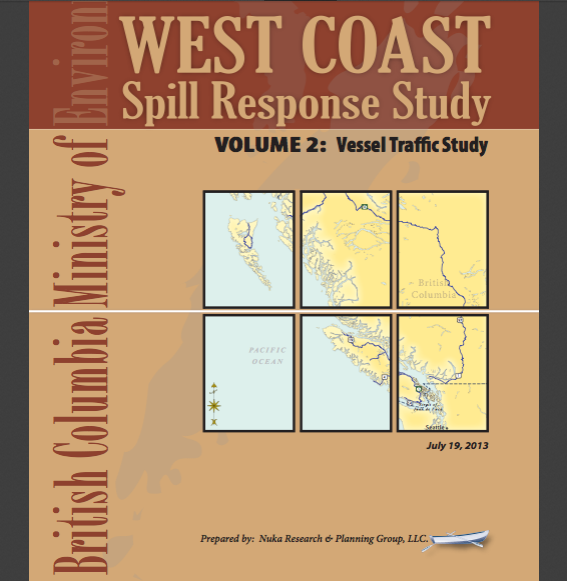
West Coast Spill Response Study. Volume 2

Volume 2 Vessel Traffic Study: original PDF of Vol 2 published by the BC Ministry of the environment was at: http://www.env.gov.bc.ca/main/west-coast-spill-response-study/docs/WestCoastSpillResponse_Vol2_VesselTrafficStudy_130722.pdf See the full PDF on this website at :WestCoastSpillResponse_Vol2_VesselTrafficStudy_130722 The British Columbia Ministry of Environment commissioned Nuka Research and Planning Group, LLC to prepare this report. The report is the second volume of the

Documenting Fire History in a British Columbia Ecological Reserve

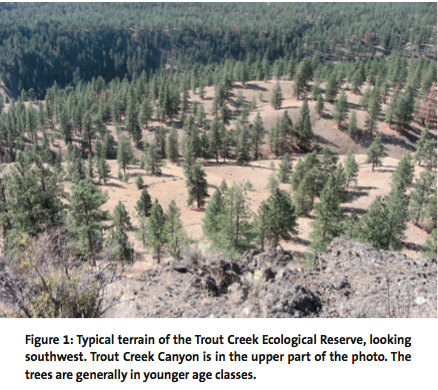
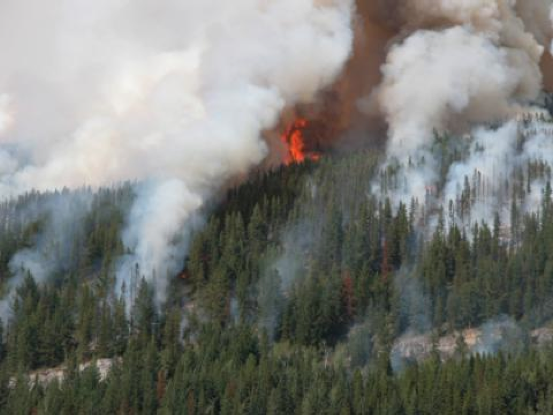
Documenting Fire History in a British Columbia Ecological Reserve Don Gayton, FORREX Abstract Ponderosa pine (Pinus ponderosa) ecosystems in British Columbia have high concentrations of biodiversity and species at risk, and numerous studies suggest frequent, low-in- tensity fire was a historical disturbance pattern in this ecosystem type. Fire history was analyzed in the Trout Creek

BC Ministry of Environment-Spill Response Study Vol 1.

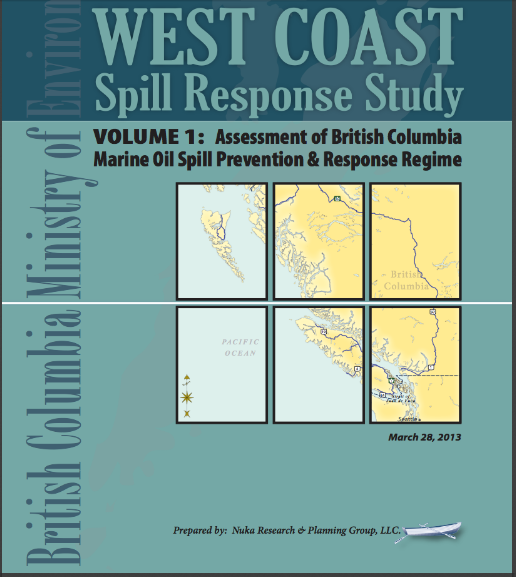
VOLUME 1: Assessment of British Columbia Marine Oil Spill Prevention & Response Regime, March  28, 2013. Original PDF was at: http://www.env.gov.bc.ca/main/west-coast-spill-response-study/docs/WestCoastSpillResponse_Vol1_InitialAssessment_130717.pdf Internal copy of VOLUME 1 PDF on this website: WestCoastSpillResponse_Vol1_InitialAssessment_130717 Below is presented the executive summary of VOLUME 1 WEST COAST SPILL RESPONSE STUDY, VOLUME 1: Assessment of British Columbia Marine Oil Spill Prevention

Update on MPA process for the Waters within the Race Rocks ER #97

The MPA process for the federally controlled waters within the Provincial Marine Ecological Reserve started In 2000.  A proposal was submitted  by a DFO -convened  Advisory Group composed of  Sports fisheries, First Nations, science representatives, Provincial Parks, Canadian Wildlife Service, Environment Canada, Pearson College representatives, whale watching groups, diving groups and several environmental NGOs .

Grassland Conservation: A “new” theory?

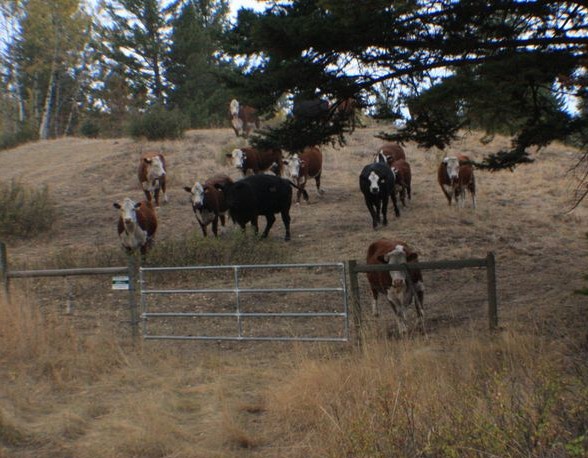
You will find on this website, several references to controlled burning to address the issue of invasive species, overgrowth of successional species which change the biodiversity of the protected areas, and the increasing threat of desertification with the Northern migration of arid regions.     Allan Savory in this TED presentation presents an alternative theory

Long-term Monitoring of Ecological Change in British Columbia Parks and Protected Areas

This report is by Pam Wright ( UNBC) and Tory Stevens( BC PARKS): Ecological change results from a combination of natural and anthropogenic causes Ecological change is accelerating from all causes Major causes of change are climate change and habitat loss Result: global losses of biodiversity See the full PDF on this report at: wright_and_stevens

Designing a Long-term Ecological Change Monitoring Program for BC Parks: Ecological Monitoring in British Columbia’s Parks

Abstract: Global climate changes are affecting the entire landscape and although intended as eco- logical reservoirs and refugia, parks and protected areas are not immune to these changes. Provincially, BC Parks’ staff evaluate stressors and threats in conservation risk assessments and have identified myriad challenges amplified by climate change. The role of monitoring in the

Moore/McKenney/Whitmore Islands ER Purpose Statement

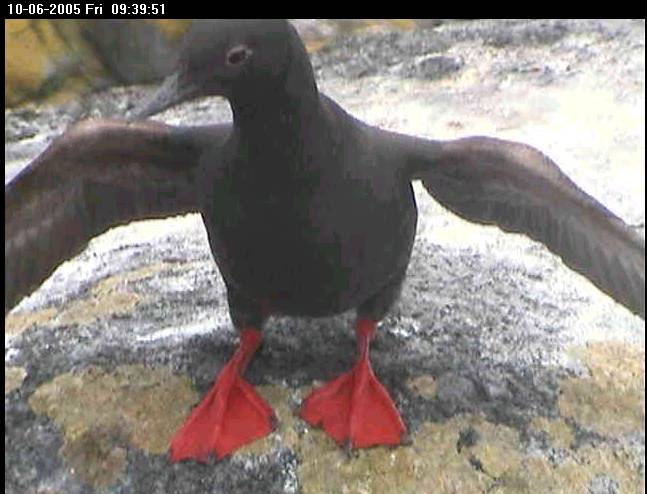
Primary Role The primary role of the Moore/McKenney/Whitmore Ecological Reserve is to protect the nesting sites of several species of seabirds in the province. The ecological reserve is closed to public access to protect the nesting seabirds and their habitat. The ecological reserve comprises a group of low-lying islands, islets, and reefs along the east