Blue/Dease River ER Context map
This map adapted from BC Parks:

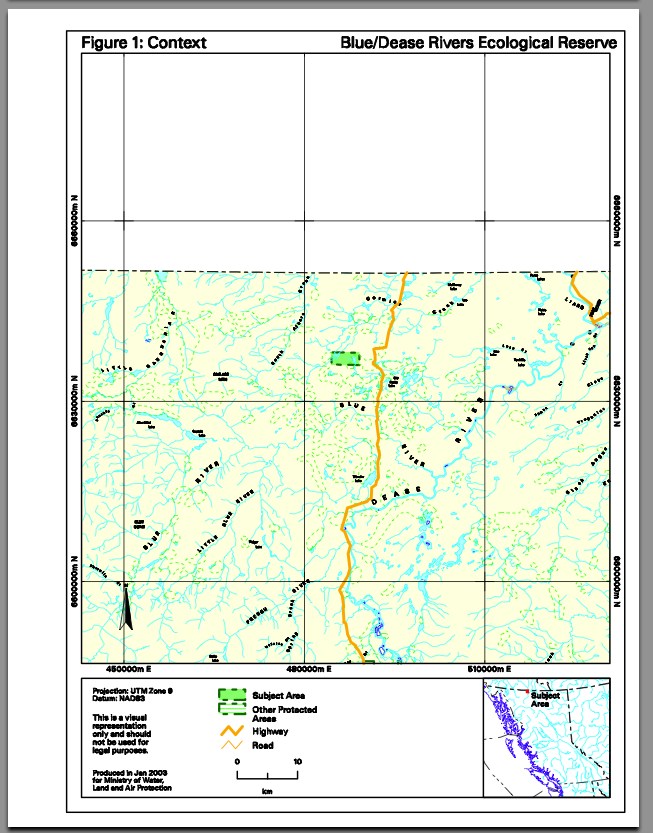
This map adapted from BC Parks:

This map is derived from the BC Parks website:
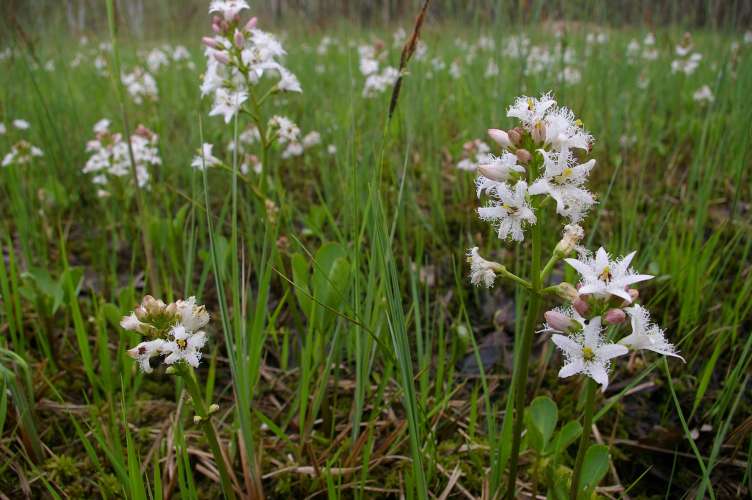
ORIGINAL PURPOSE To protect a site for research on sub-boreal forest types on a poor site, adjacent bogland, and intermediate vegetation types. Physical: The reserve is located on a flat outwash plain about 15 km west of the Parsnip Reach of Williston Lake. It encompasses the southern end of a huge treeless bog which stretches
ORIGINAL PURPOSE To conserve undisturbed ponderosa pine-grassland vegetation. The following is from the BC Parks report. Physical: The reserve is in the bottom of the deeply incised the river cuts westward through the north end of the Cascade Range to join the Fraser. It consists of gently sloping benchlands which give way to steep, gullied
We welcome your photos here:
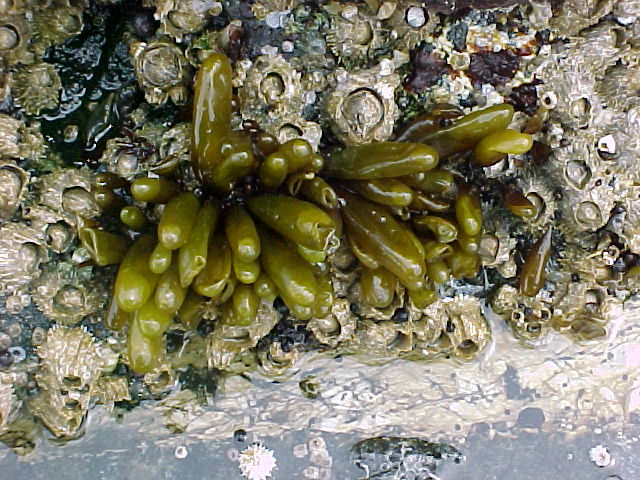
EXTENDED ESSAY IN BIOLOGY Intertidal Zonation of Halosaccion glandiforme: A Focus on height and slope as factors of zonation. ALEX C. FLETCHER, JANUARY 14, 2002 Lester B. Pearson College of the Pacific See the original at this link ABSTRACT An intertidal study of the organism Halosaccion glandiforme was performed at Race Rocks Marine Protected Area

ORIGINAL PURPOSE: To protect nesting seabirds, raptors and marine environments The land area, less than 4% in total, is comprised of four significant islands and many associated islets and reefs, located in four groups. These are the outermost islands of the central mainland coast, located within an area of low relief along the eastern edge
Author S. Scott Wallace Article first published online: 24 DEC 2001, Conservation Biology Volume 13, Issue 4, pages 882–887, August 1999 DOI: 10.1046/j.1523-1739.1999.98117.x Abstract: Marine reserves have been suggested as tools for assisting the management of fisheries by protecting vulnerable marine species from overexploitation. Although there is a theoretical basis for believing that marine reserves may serve as management tools,
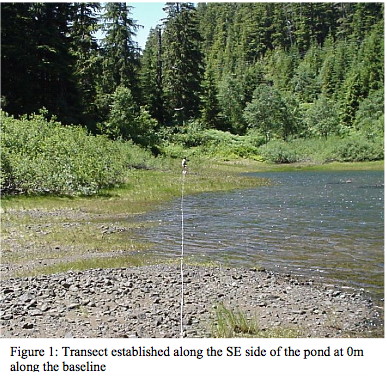
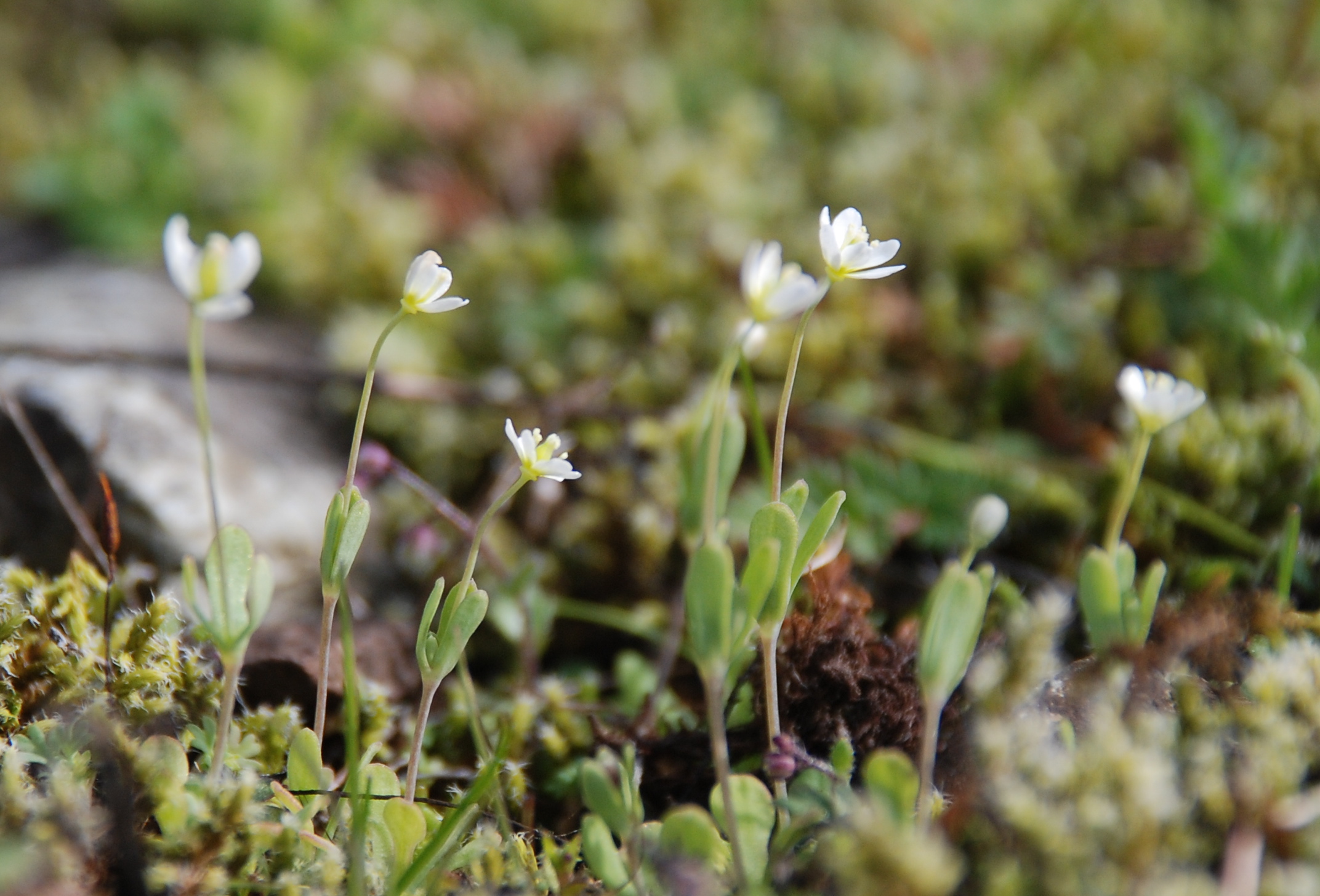
Sutton Pass Adder’s Tongue Survey Prepared by: David Reedman Resource Technician, BC Parks November 6, 2001 For full PDF click here SuttonPassAdder.pdf For more information click this link Introduction Sutton Pass Ecological Reserve is located approximately 40 kilometres west of Port Alberni on the south side of Highway 4. This reserve was designated primarily for
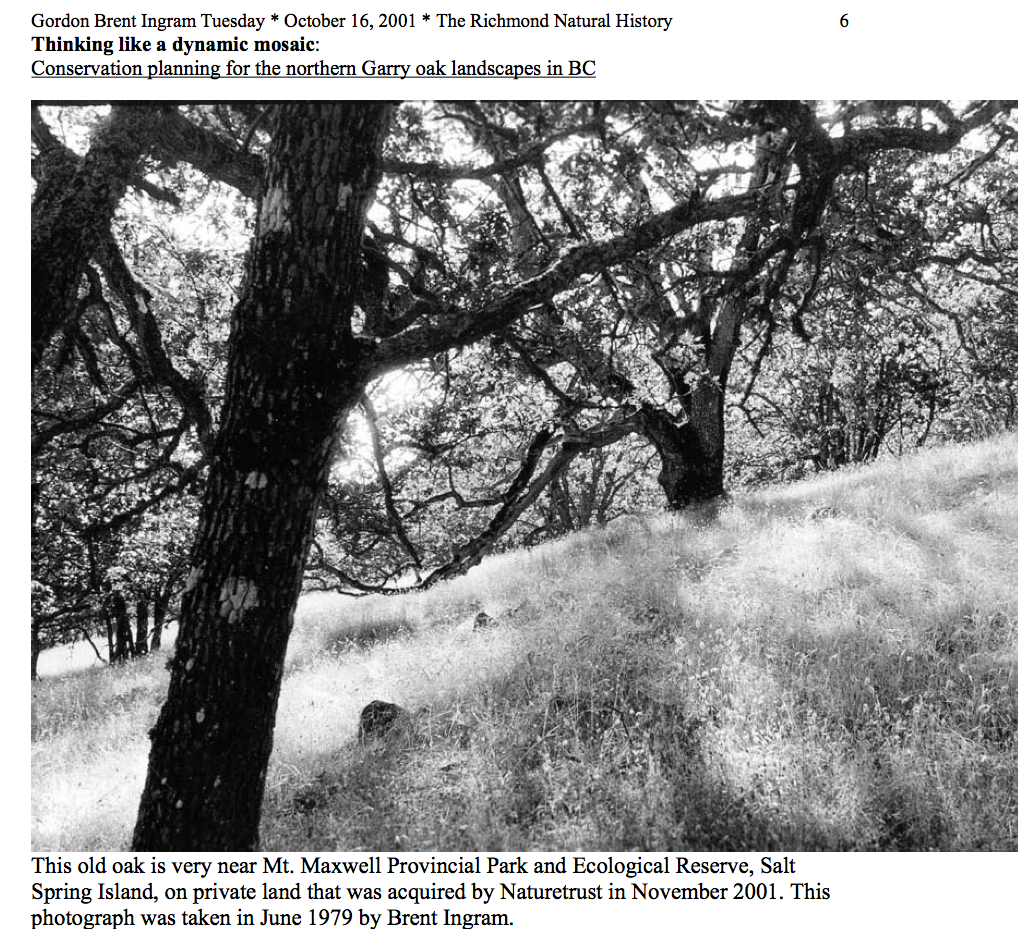
from Menziesia: Newsletter of the NPSBC Native Plant Society of British Columbia 7 (1): 8 – 11. Thinking like a dynamic mosaic: Towards a strategy for conserving northern Garry oak ecosystems * part 1 Gordon Brent Ingram Tuesday * October 16, 2001 * The Richmond Natural History 4 Thinking like a dynamic mosaic: Conservation planning
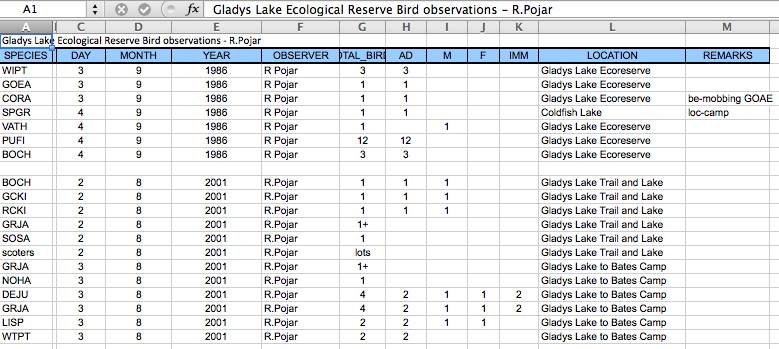
This report by Rosamund Pojar covers observations between 1986 and 2001
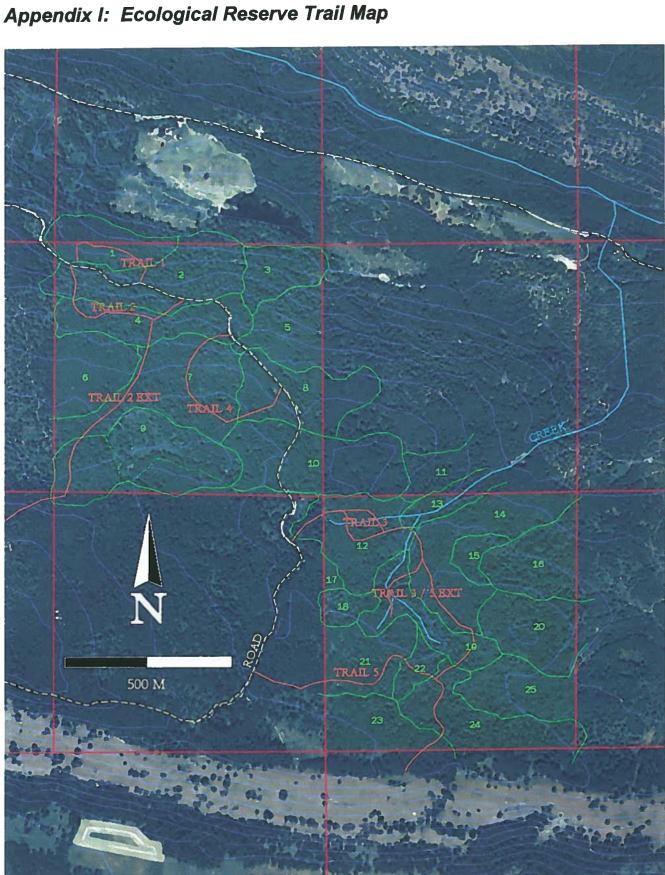
This map is included in the 2001 annual report on Fungi by Harvey and Pam Janszen

Gjerdrum, C. 2001. Nestling growth and parental provisioning of Tufted Puffins (Fratercula cirrhala) on Triangle Island, British Columbia. MSc, Simon Fraser University, Burnaby, BC. 117 pp. Masters of Science Thesis Abstract I studied the reproductive performance of tufted puffins (Fratercula cirrhata) on Triangle Island, British Columbia during two years when reproduction was successful. Complete reproductive
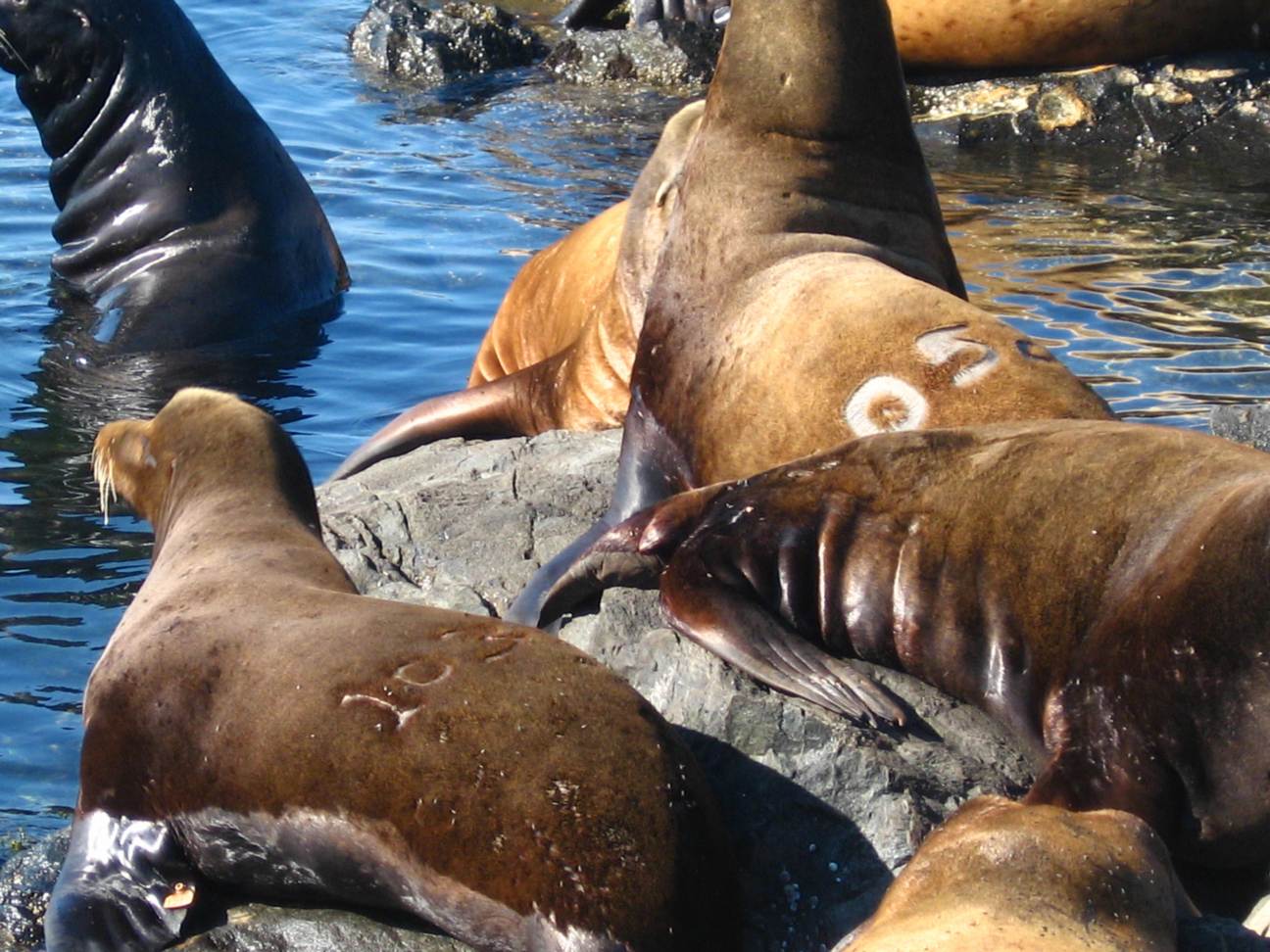
We regularly report and record images of branded Sea Lions which haul out at Race Rocks. The images are sent to Pat Gearin of NOAA in the US who identifies the history of the animal which has been part of their research. In this report, there is a photo index of many of those animals

Taco Niet and Dr. Ged McLean of the Institute for Integrated Energy Systems, University of Victoria presents a renewable energy plan for Race Rocks. This paper was presented at the 11th Canadian Hydrogen conference, June 17, 2001 in Victoria. See the PDF: tacopaper Abstract: Race Rocks is a small archipelago located just Southwest of Victoria,
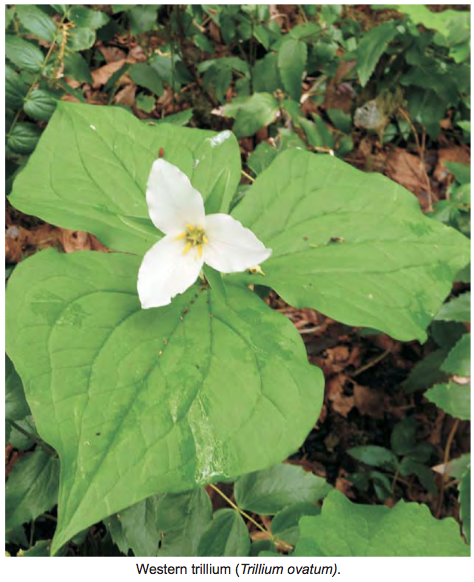
The Arrowsmith Naturalists produced this report from a field trip made in 2001 2001 Woodley Range flower survey

Invasive non-native plants are a serious threat to native species, communities, and ecosystems in many areas around the world. They can compete with and displace native plants, animals, and other organisms that depend on them, alter ecosystem functions and cycles significantly, hybridize with native species, and promote other invaders. The good news is that many
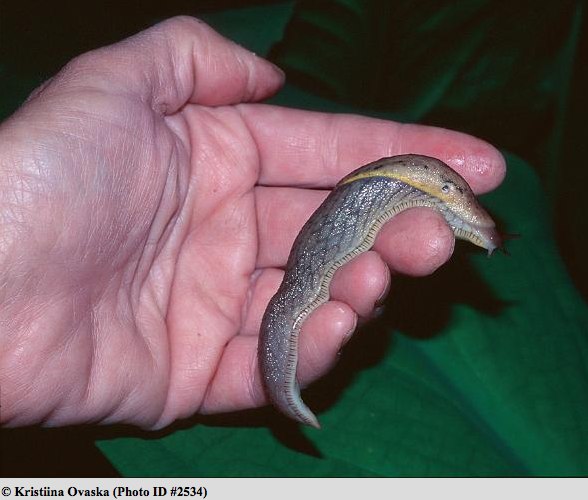
Kristiina Ovaska has consented to use pictures of one of the slugs referred to in this research paper, Prophysaon foliolatum as being the first record for BC. I have included several pictures here because of the pronounced colour variation of this species. This set of images is from the E-Fauna Photo Gallery: See this reference
