Mt. Tzuhalem Ecological Reserve #112 and Syd Watts.
Syd Watts, Image from Winter 2005 FER LOG Genevieve Singleton and Dave Polster wote about Syd Watts in the LOG newsletter of Winter, 2005 p 12-13. See the PDF:LOG0512

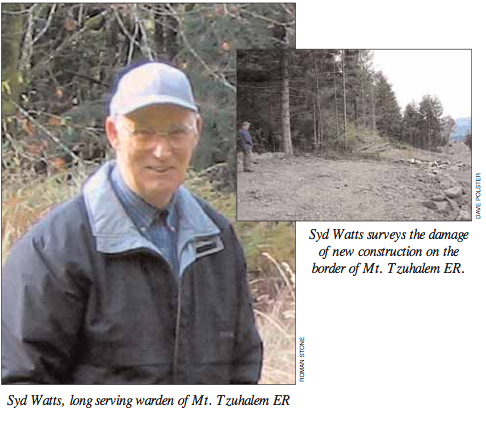
Syd Watts, Image from Winter 2005 FER LOG Genevieve Singleton and Dave Polster wote about Syd Watts in the LOG newsletter of Winter, 2005 p 12-13. See the PDF:LOG0512
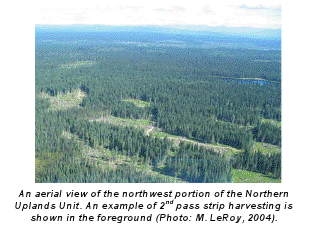
From the fall , 2005 issue of The Aleza lake Research Forest Newsletter. The ALRF Management Plan outlines strategic guidance for creating research and education opportunities at the Research Forest. Seven ALRF units are managed according to one of three emphases: Intensive forest management; Intermediate forest management; Legacy Research plot management; and Research Natural Areas.

From: THE LOG • FRIENDS OF ECOLOGICAL RESERVES NEWSLETTER • AUTUMN 2005 by David F. Polster, M.Sc., R.P.Bio. Plant Ecologist Construction of the logging road bridge across Sutton Creek at the upstream edge of the ecological reserve has caused a significant change in the hydrology of the creek and consequently the ecology of the reserve.
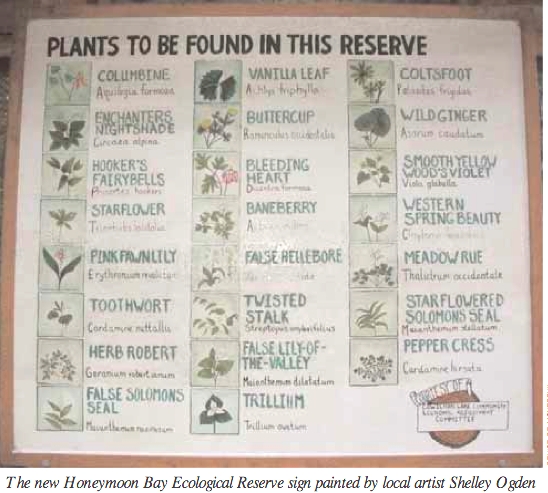
From THE LOG • FRIENDS OF ECOLOGICAL RESERVES NEWSLETTER • AUTUMN 2005 by Genevieve Singleton Warden, Honeymoon Bay Ecoreserve The late Cedric and Gertie Myers, residents of Honeymoon Bay, well- known naturalists and members of the Cowichan Valley Naturalists were instrumental among others in having the Sutton Creek area of Honeymoon Bay (9 km west
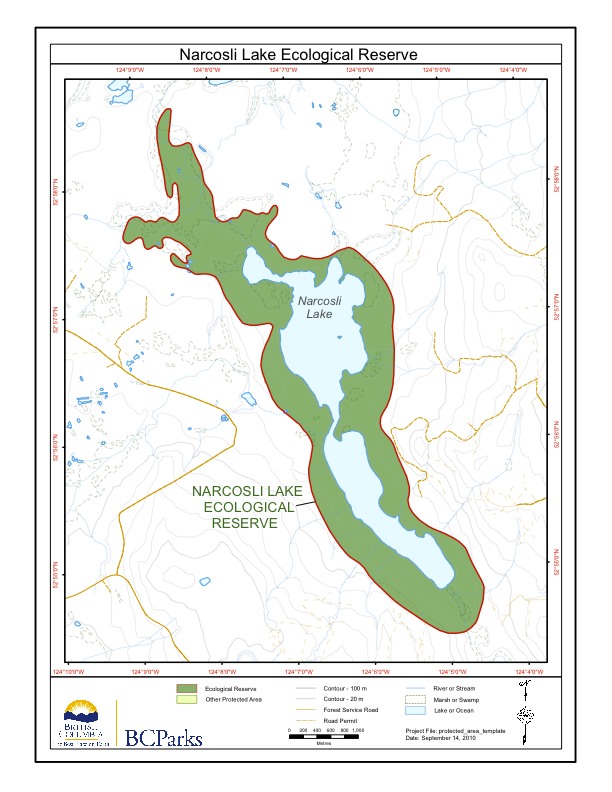
Narcosli Lake ER Map from BC Parks:
See the full report here: upper_nimpkish_lup
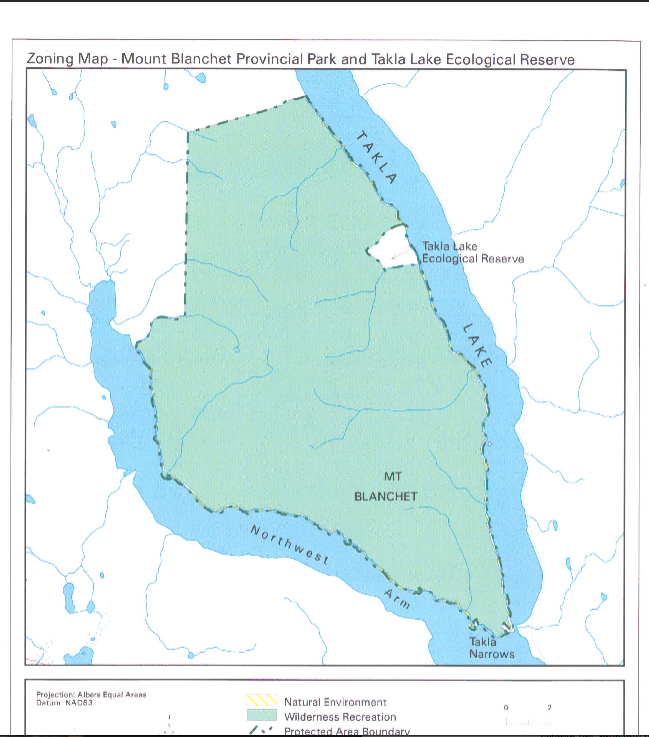
ORIGINAL PURPOSE To preserve the most northerly known stand of Douglas fir as a genetic bank and for research purposes. From the BC Parks site : See the full PDF:mt_blanchet_and_takla_lake_er_ps

Photographer Erik Kehler of Scenic Arts , a Division of Viewmaps.com , Inc has the following images of Liumchen Lake linked here to his website: Gallery 1 Gallery 2 The Liumchem Lake images are by Eric Kehler, Copyright 2012 by ScenicArt a division of Viewmaps.com, Inc. 604-538-4905, www.scenicart.ca or http://www.scenicart.ca/search/node/Liumchen.

See http://www.avibirds.com/pdf/Z/Zeekoet6.pdf

Mark Hipfner of the Centre for Wildlife Ecology, Simon Fraser University and the Canadian Wildlife Servicepublished this paper in the journal Marine Ornithology(2005) 33:67-69 (2005) Accessed, 2014 :http://www.avibirds.com/pdf/Z/Zeekoet6.pdf See the full 2page PDF at: Hipfner-Common-Murre2005
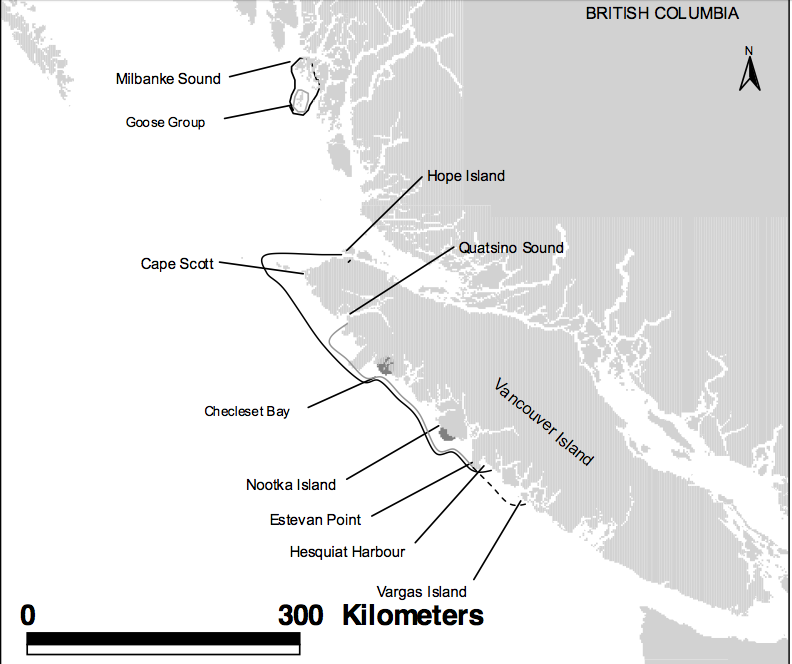
An assessment of abundance and growth of the sea otter population (Enhydra lutris) in British Columbia By Nichol, L.M., J.C. Watson, G.M. Ellis, J.K.B. Ford Abstract Sea otters were re-introduced to British Columbia from Alaska between 1969 and 1972. The first population count was made in 1977. Since 1988, field surveys have been undertaken using small boat or helicopter,
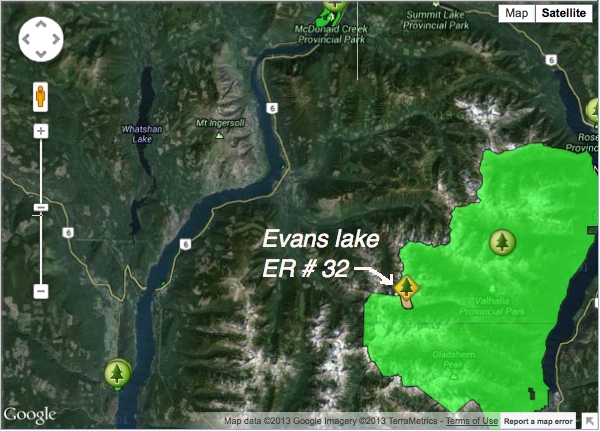
This satellite map was adapted from the BC Parks website.
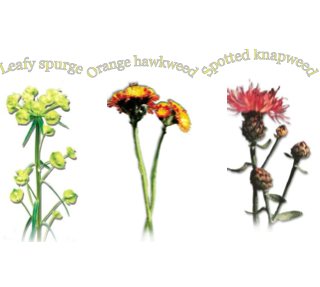
Ministry of Environment Environmental Stewardship Division See Full PDF: OKRegionIPStrategy2005_1291741150797_6fdca22d85d494f71daadf279edd0750660b65b7b1fa7bb13a205fcf6f0847eb Three introduced species of the Okanagan Link to other information and data: http://a100.gov.bc.ca/pub/acat/public/viewReport.do?reportId=20401.
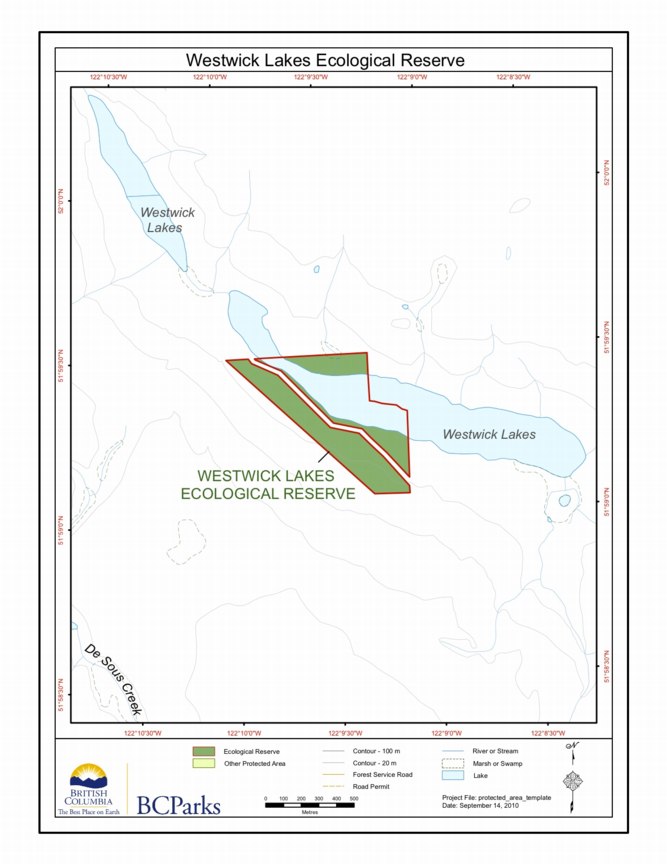
BC Parks map :

An Outing to Rolla Canyon Clay banks along the Pouce Coupe River in Rolla Canyon By Phil Haight From THE LOG– FRIENDS OF ECOLOGICAL RESERVES NEWSLETTER • SPRING 2006 On June 12, 2005, five canoeists in two canoes undertook a trip down the Pouce Coupe River to reach Rolla Canyon Ecological Reserve. Three biologists/ birders
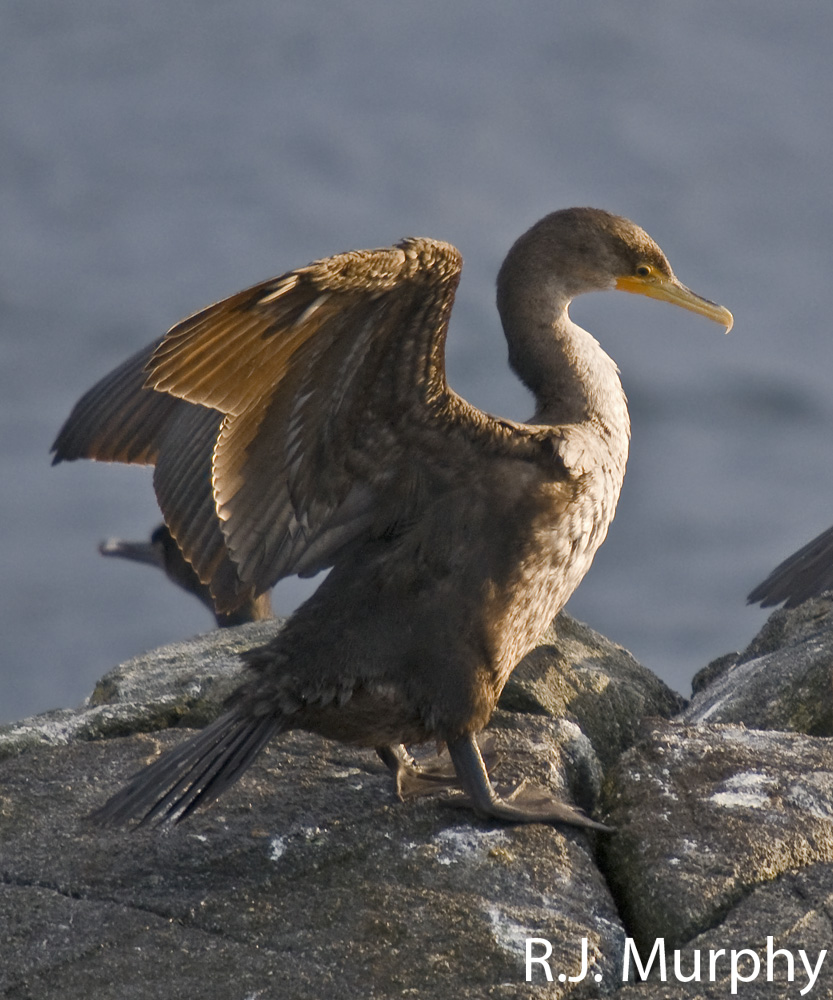
Purpose: To protect nesting seabirds Closed to the public by Order-in-Council no. 1920, on 16 June 1977 to protect nesting seabirds, which are extremely vulnerable to disturbance at this location. A permit is required to land on the islets, and they are accessibly by boat. Physical: The reserve includes a chain of five low rocky