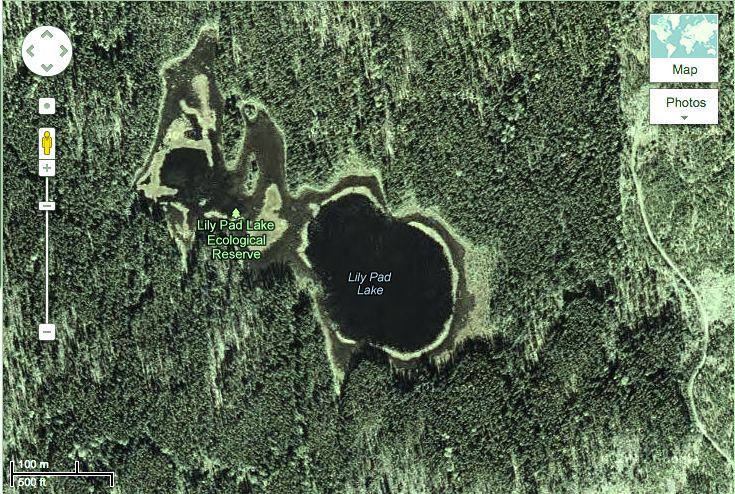
Satellite view of Lily Pad Lake
This view shows the size and configuration of the lakes in the reserve.
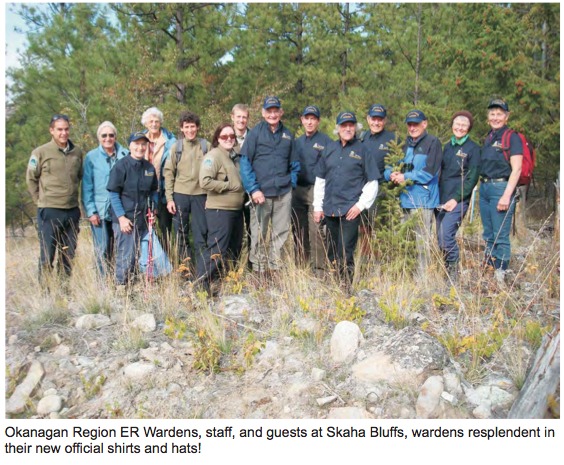
From: THE LOG FRIENDS OF ECOLOGICAL RESERVES NEWSLETTER AUTUMN/WINTER 2010 By Eva Durance, Mahoney Lake ER Warden On October 12, 2010 nine of the sixteen wardens for Ecological Reserves (ERs) in the Okanagan, Similkameen, and Shuswap areas were able to attend the annual meeting and field trip organized by Sara Bunge, Senior Ranger, South Okanagan
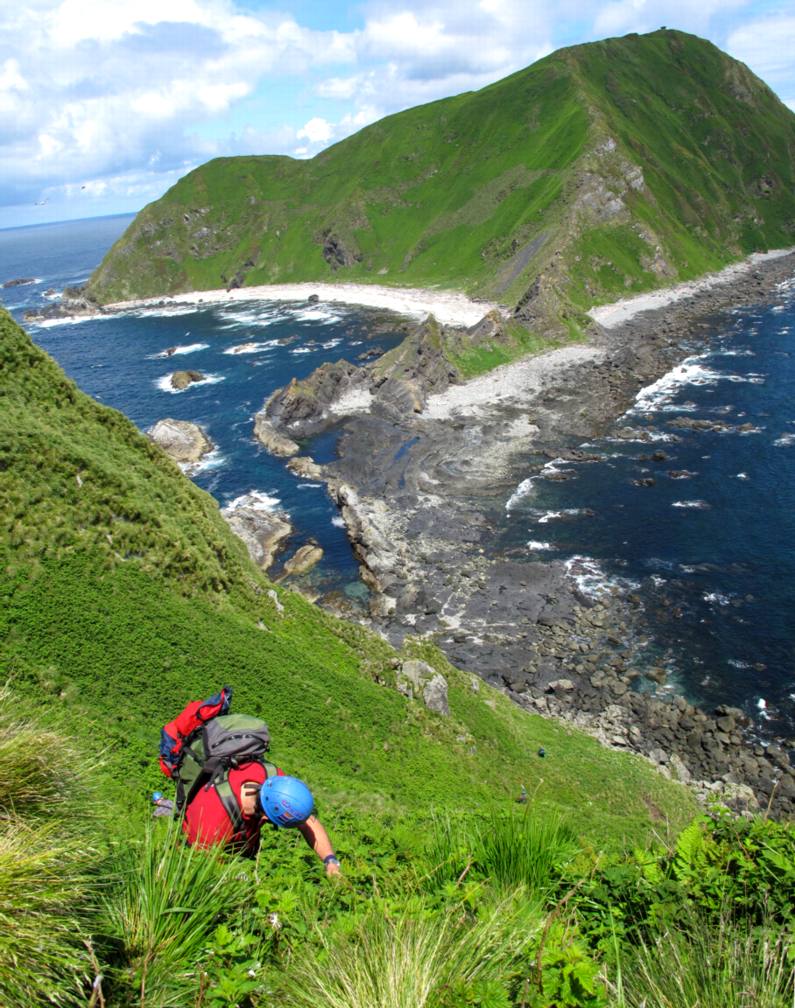
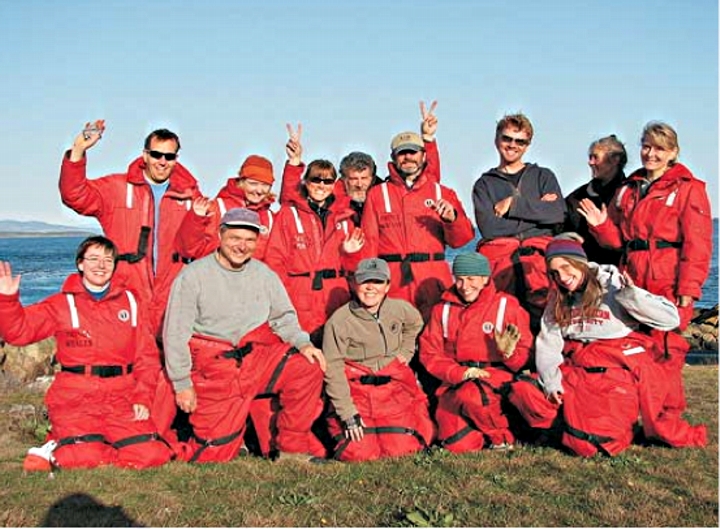
Karin Bodtker from the Living Oceans Society was in charge of making maps and accompanied an expedition to the Scott Islands. The Living Oceans Society is working to get protection for the ocean around the Scott Islands. She has given us permission to include her Flickr pictures on our website, so our thanks goes out
FRASER RIVER ER#76 SPECIES LIST FLORA Flora from records of J. Pojar in Liner et al. (1983) and past wardens: Anthea Farr (1985 – 1992), Dan Rempel (prior to 1985), assisted by Ray Gurr; and present wardens Bill and Bev Ramey (2003 – 2010), assisted by John Riley Trees alder, red (Alnus rubra) birch, paper
Penguins of the North Puffins are excellent swimmers and are nicknamed the “penguins of the north,” which is a bit misleading because they can also fly at over 80 km per hour, sometimes travelling up to 100 km off shore in search of food for their chicks. For some reason, the grass turned out purple,
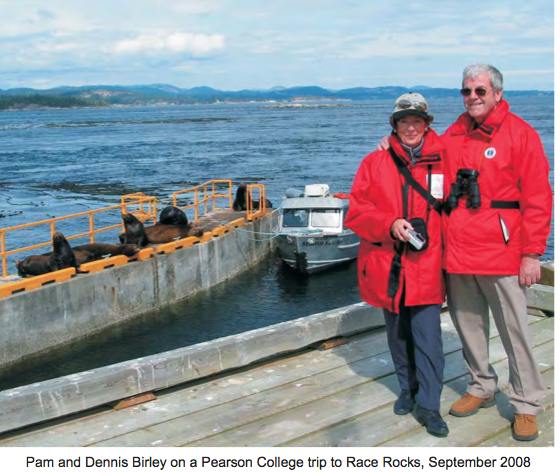
From:THE LOG FRIENDS OF ECOLOGICAL RESERVES NEWSLETTER AUTUMN/WINTER 2010 By Garry Fletcher, Race Rocks ER Warden In an e-mail I received in 2004, Pam Birley told me she was a grandmother living in Leicestershire England, and that she used the remote cameras on the www.racerocks.com website to help her grandchildren learn about the environment. She
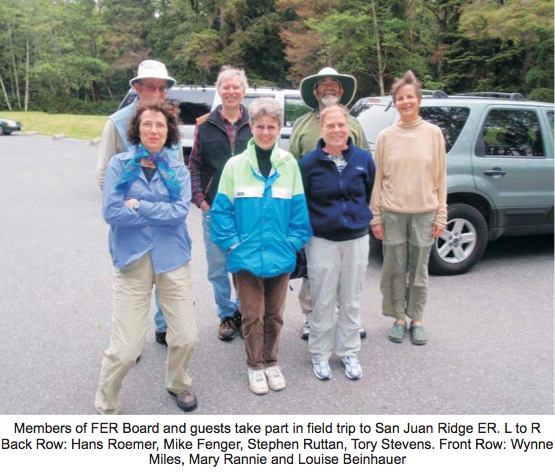
From: THE LOG FRIENDS OF ECOLOGICAL RESERVES NEWSLETTER AUTUMN/WINTER 2010 By Louise Beinhauer On a balmy day in June, Friends of Ecological Reserves Board members Mike Fenger, Stephen Ruttan (trip organizer), Mary Rannie and Wynne Miles along with guests; our guide, biologist Hans Roemer, MOE’s Tory Stevens, Fred Beinhauer and I car pooled along Highway
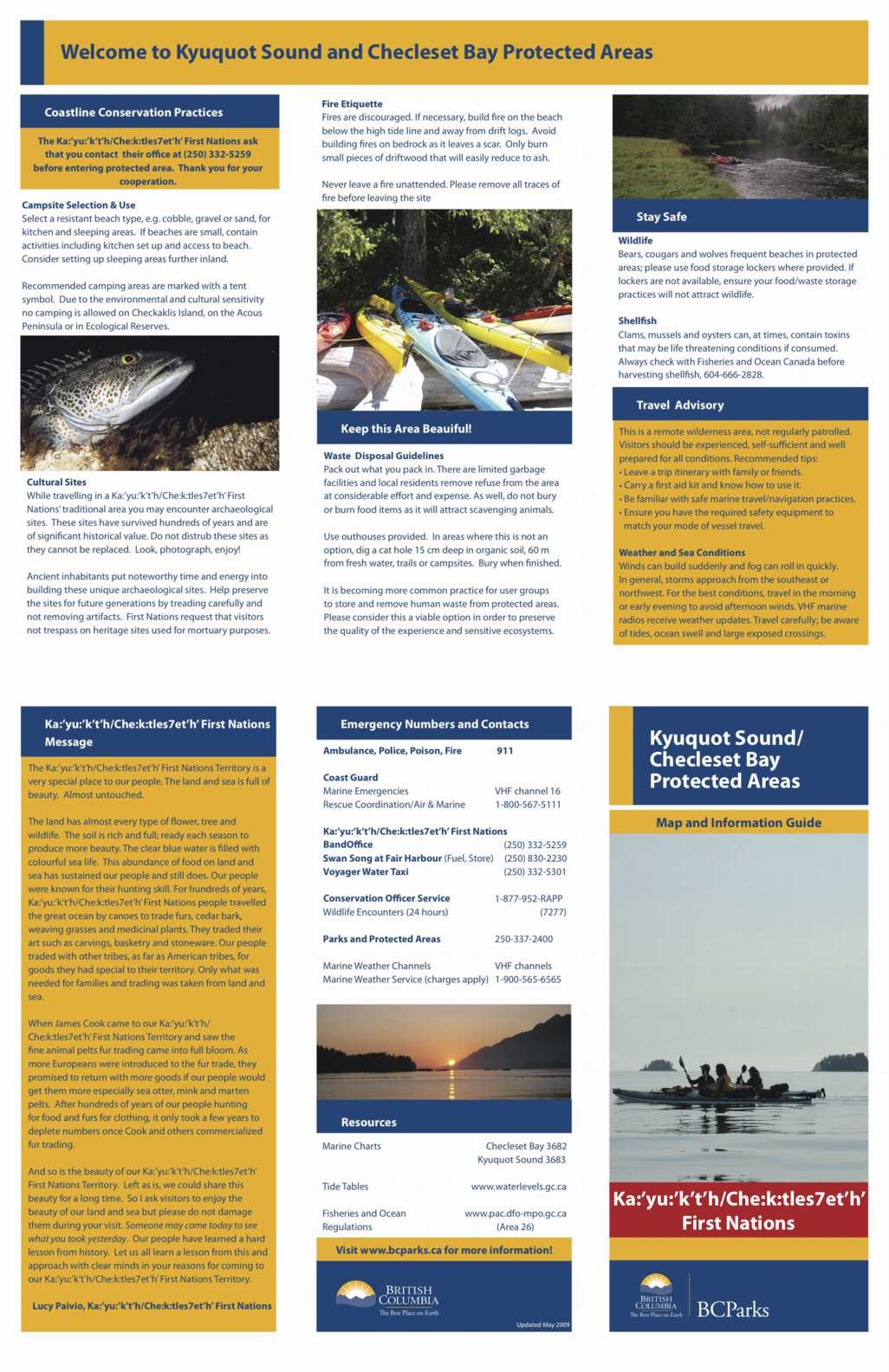
The Ka:’yu:’k’t’h/Ch:k:tles7et’h’ First nations Territory is a very special place to our people. The land is full of beauty . Almost untouched. This brochure is produced by BC Parks to recognize the importance of the local First Nations and is intended for educating tourists.
Report 3 August 2010: EXECUTIVE SUMMARY: British Columbia’s parks and protected areas – about 1,000 in all – are integral to the quality of life in this province. These areas help purify the water, provide habitat to rare and endangered species, regulate climate, and contribute to British Columbians’ physical, mental, economic, social and spiritual well-being.
By Matt Fairbarns From: THE LOG FRIENDS OF ECOLOGICAL RESERVES NEWSLETTER SPRING/SUMMER 2010 Trial Island is an ecological gem and hosts a great number of rare species and ecosystems. The upland mead- ows, maintained free of native trees and shrubs by a combina- tion of summer drought and winter winds, support many endangered species including
This gallery highlights the work of Tania Simpson who has posted images of Mahoney Lake on her Flickr site. We are most grateful for permission to use the images here and we urge you to check out her other images on Flickr as well. Mahoney Lake Ecological Reserve Mahoney Lake Ecological Reserve Female
See the complete pdf of the report: OAGBC_Parks Report_OUT2 Executive Summary : British Columbia’s parks and protected areas – about 1,000 in all – are integral to the quality of life in this province. These areas help purify the water, provide habitat to rare and endangered species, regulate climate, and contribute to British Columbians’ physical,
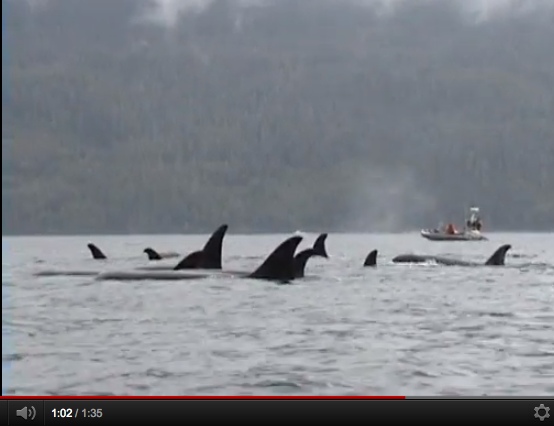
This segment was recorded by Nola Kundu just after the first pass of the A-24s under our kayak, near Hanson Island, Johnston Strait, B.C., in 2010. This is a ‘superpod’ gathering of the A-5s and the A-4s (A-24 matriline), including the relocated orphan orca whale ‘Springer’ – excellent footage of a large contingent of orca
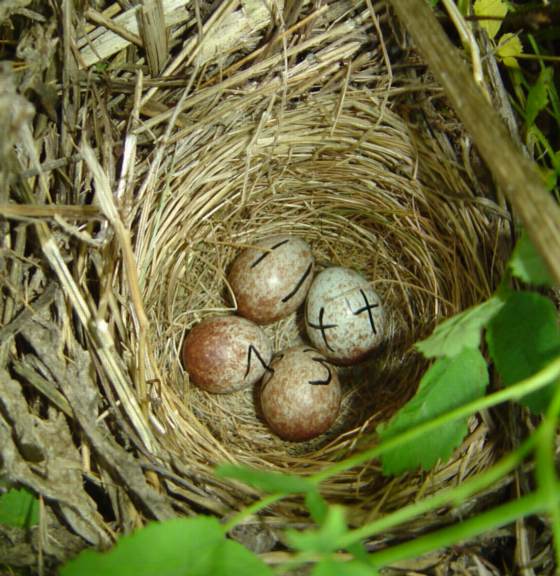
Abstract Predator-induced changes in physiology and behaviour may negatively affect a prey’s birth rate. Evidence of such indirect predator effects on prey demography remains scarce in birds and mammals despite invertebrate and aquatic studies that suggest ignoring such effects risks profoundly underestimating the total impact of predators. We report the first experimental demonstration of indirect
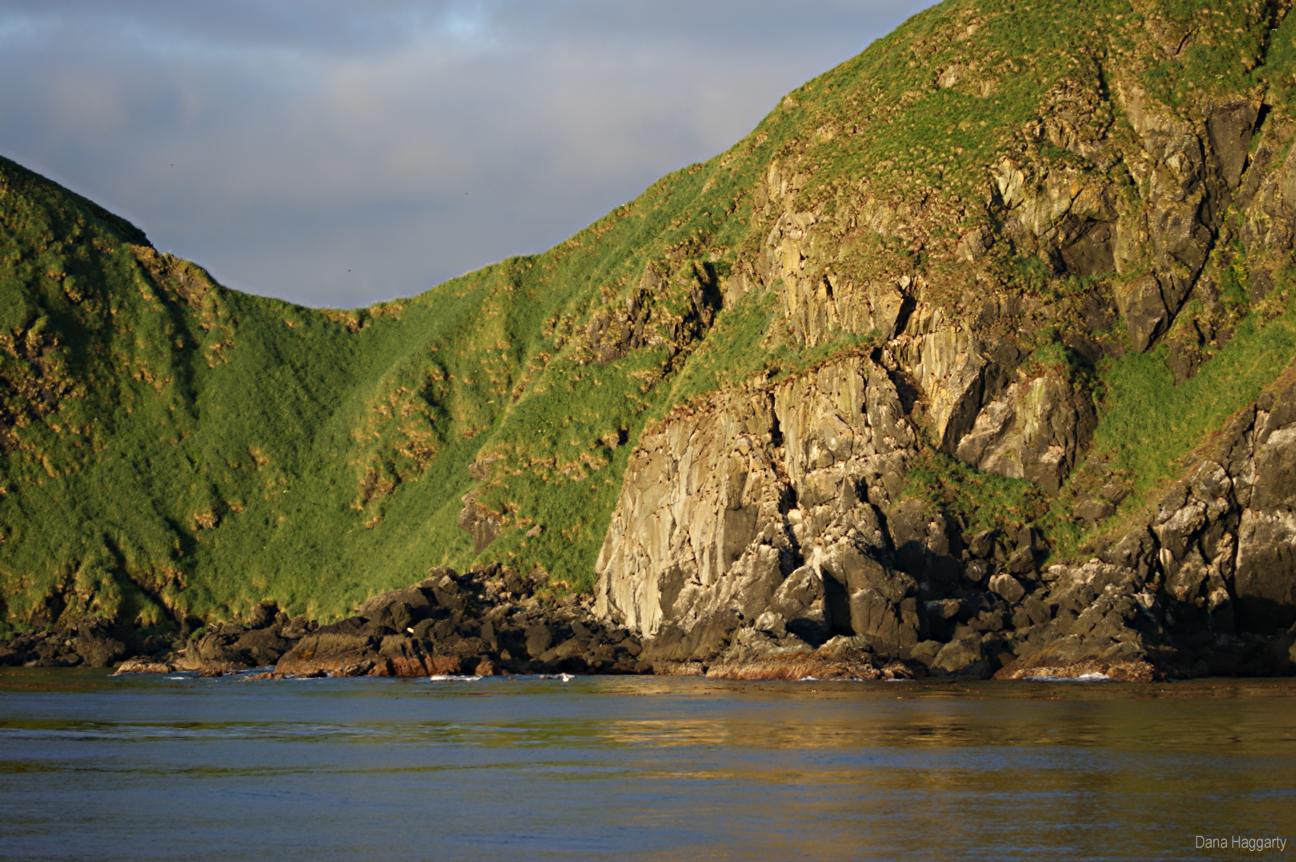
Dana Haggarty took these photos of Sartine Islands Ecological Reserve on a research trip on the Coast Guard Vessel the Vector, doing research on Rockfish. They appear on her Flickr site.
Prepared by the Pacific Giant Salamander Recovery Team April 2010 (Dicamptodon tenebrosus) in British Columbia. Prepared for the B.C. Ministry of Environment, Victoria, BC. 42pp. See the full 53 page report :pacific_giant_salamander_rcvry_strat26Apr2010 Cover illustration/photograph Laura Friis EXECUTIVE SUMMARY The Pacific Giant Salamander is a large charismatic salamander that can grow up to 30 cm in
This reserve is only accessible by helicopter and one must have a permit to access it as it is such a fragile ecosystem. Below is a satellite map view of both Sikanni Chief River (ER #42) and Ospika Cones Ecological reserves (ER # 152) in relation to Redfern -Kelly Provincial park. Both maps are adapted
Executive Summary: Noise from explosions at the Bentinck Island Demolition Range at Canadian Forces Ammunition Depot (CFAD) Rocky Point has the potential to disturb pinnipeds (seals and sea lions) hauled out in the Race Rocks Ecological Reserve (RRER). Such disturbance is prohibited by the Marine Mammal Regulations (MMRs) under the Fisheries Act and may be
Ecological Reserve warden Art Carson, Darryl Polyk and Bob Nelson checked the reserve on July 24,2010 and July 25, 2010. Their observations are presented below. ER39wardenreport2010-10-29