Brackman Islands Management Statement
Note : There s no biological inventory and description for the inter and sub-tidal part of the reserve. See the 2 page PDF: DoneBrackman Island MDS 1990

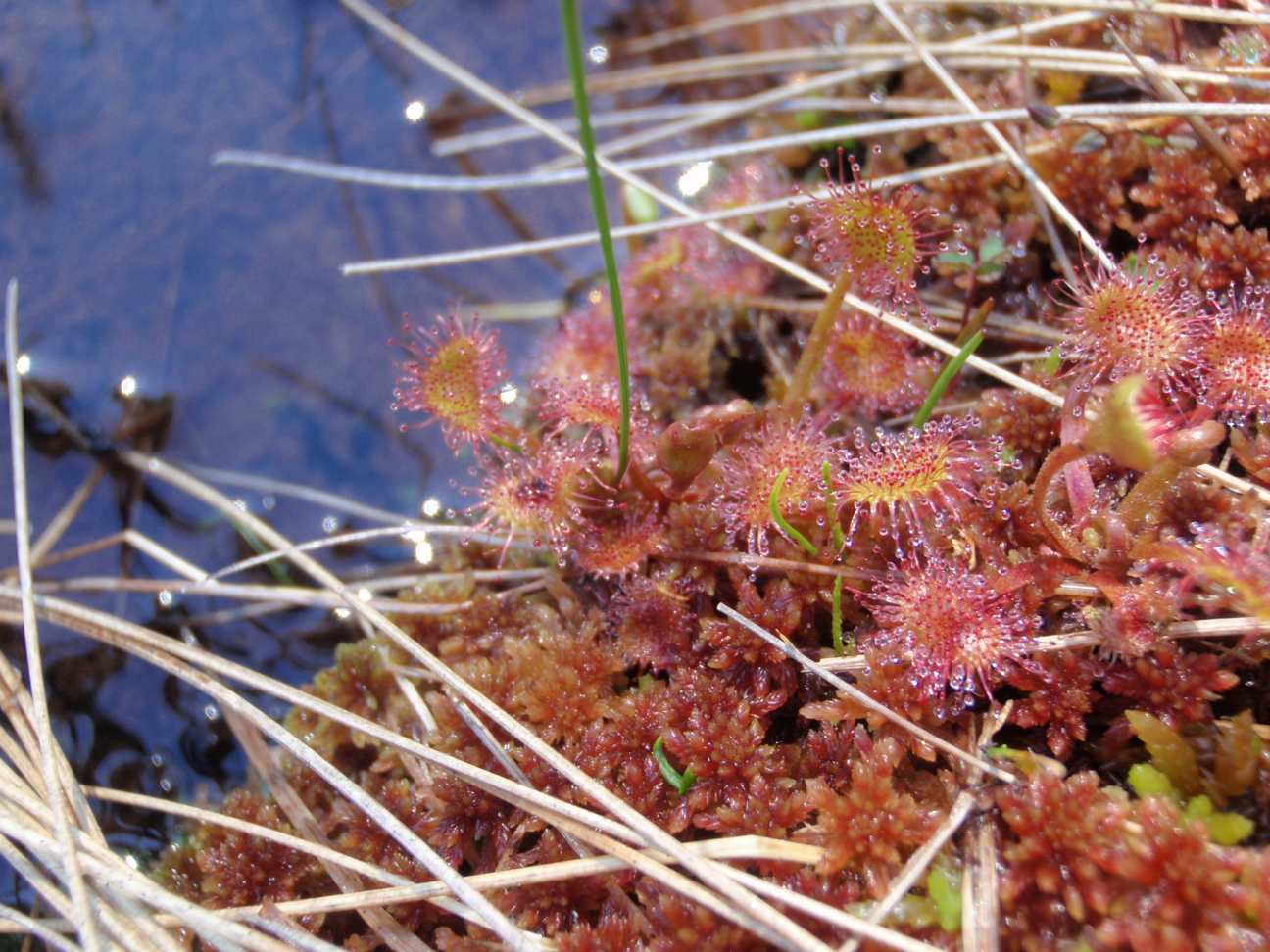
ORIGINAL PURPOSE To protect accessible diverse bog habitats containing many plants at or near their southern limit of distribution Physical: The reserve occupies the level bottom of a shallow north south trough which was probably an ancient meltwater channel. This trough is within the Fraser Basin, a drift-covered area of low relief lying below the
ORIGINAL PURPOSE To establish a research area containing Sub-Boreal Spruce and Engelmann Spruce–Subalpine Fir ecosystems. Physical: From its western boundary along the summit of the Butler Range at the 1500 m elevation, the reserve slopes moderately to the northeast for nearly three kilometres, to its base at the 875 m level. Average slope is 10-15º.
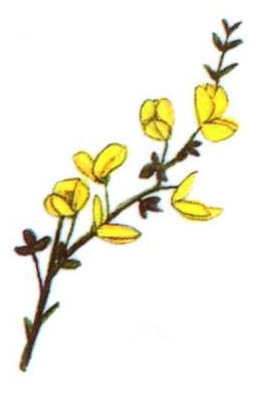
Ecological Reserve Warden Paul Linton lists some observations on the last 35 visits to Brackman Island since becoming Ecological reserve warden in the 1980’s. His predominant concern is the spread of Scotch Broom and recommendations for control measures. Also the abuse of the reserve by the visiting public. ( Dogs running at large) See the
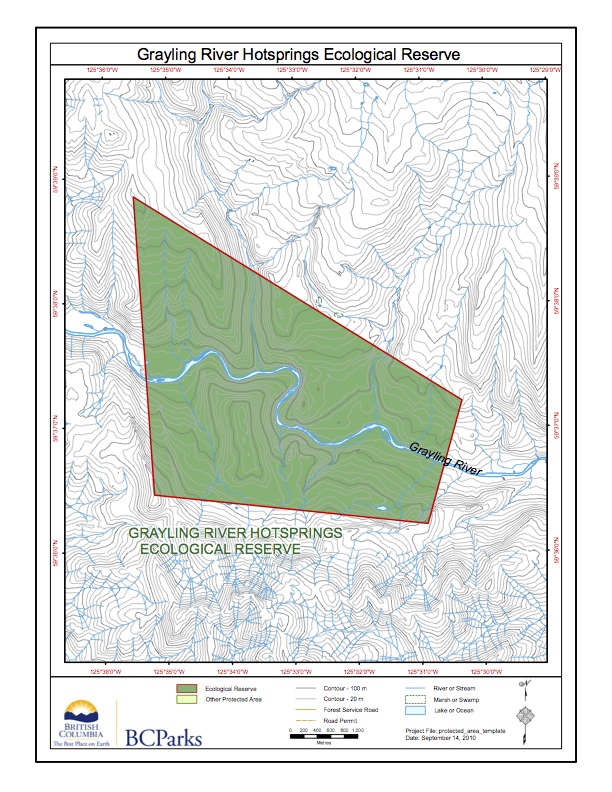
Adapted from BC Parks website:
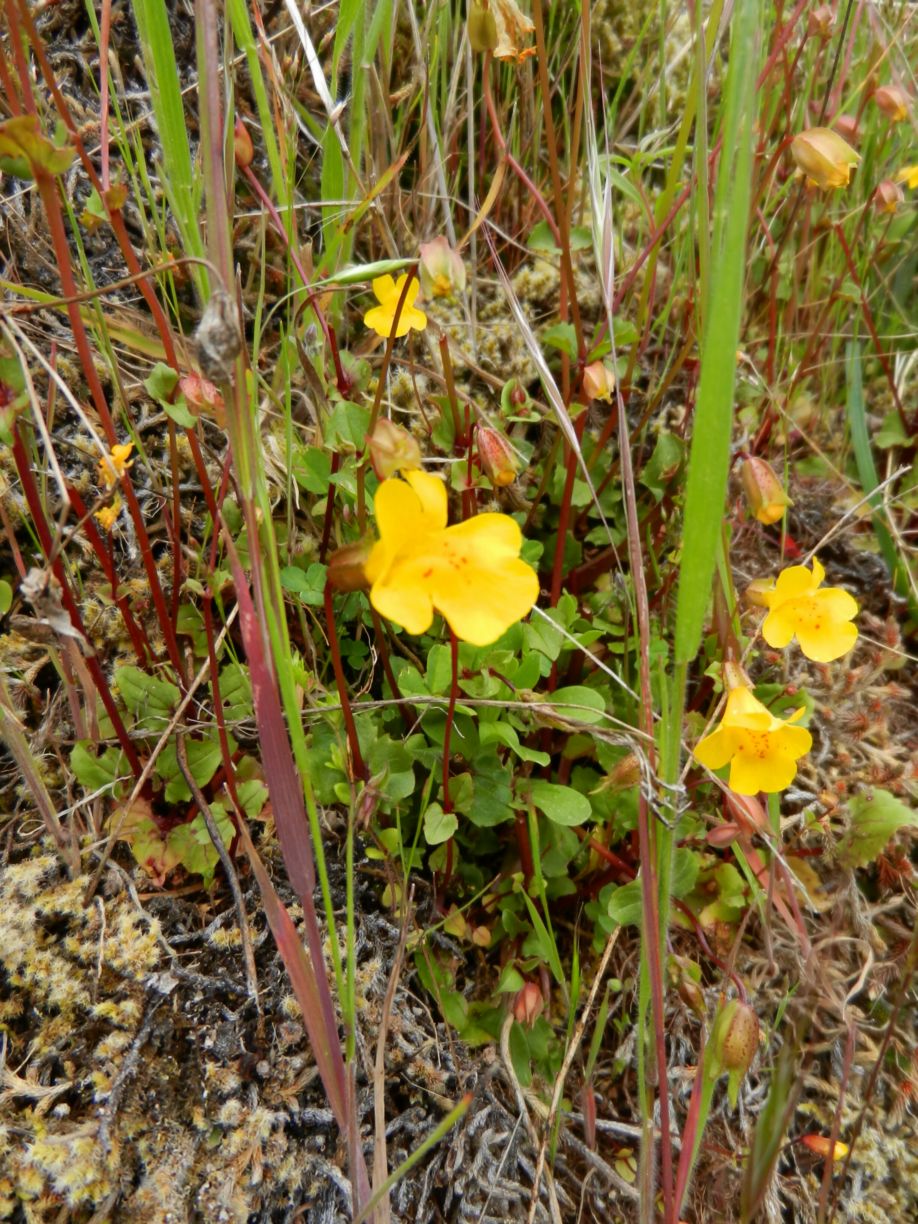
Note there is no management plan available yet on BC Parks website. Physical: Located on the Grayling River approximately 50 km upstream of its confluence with the Liard River. The ecological reserve represents the Hyland Plateau ecosection and contains a thermal and mineral spring complex of national significance. The ecological reserve is rated one of
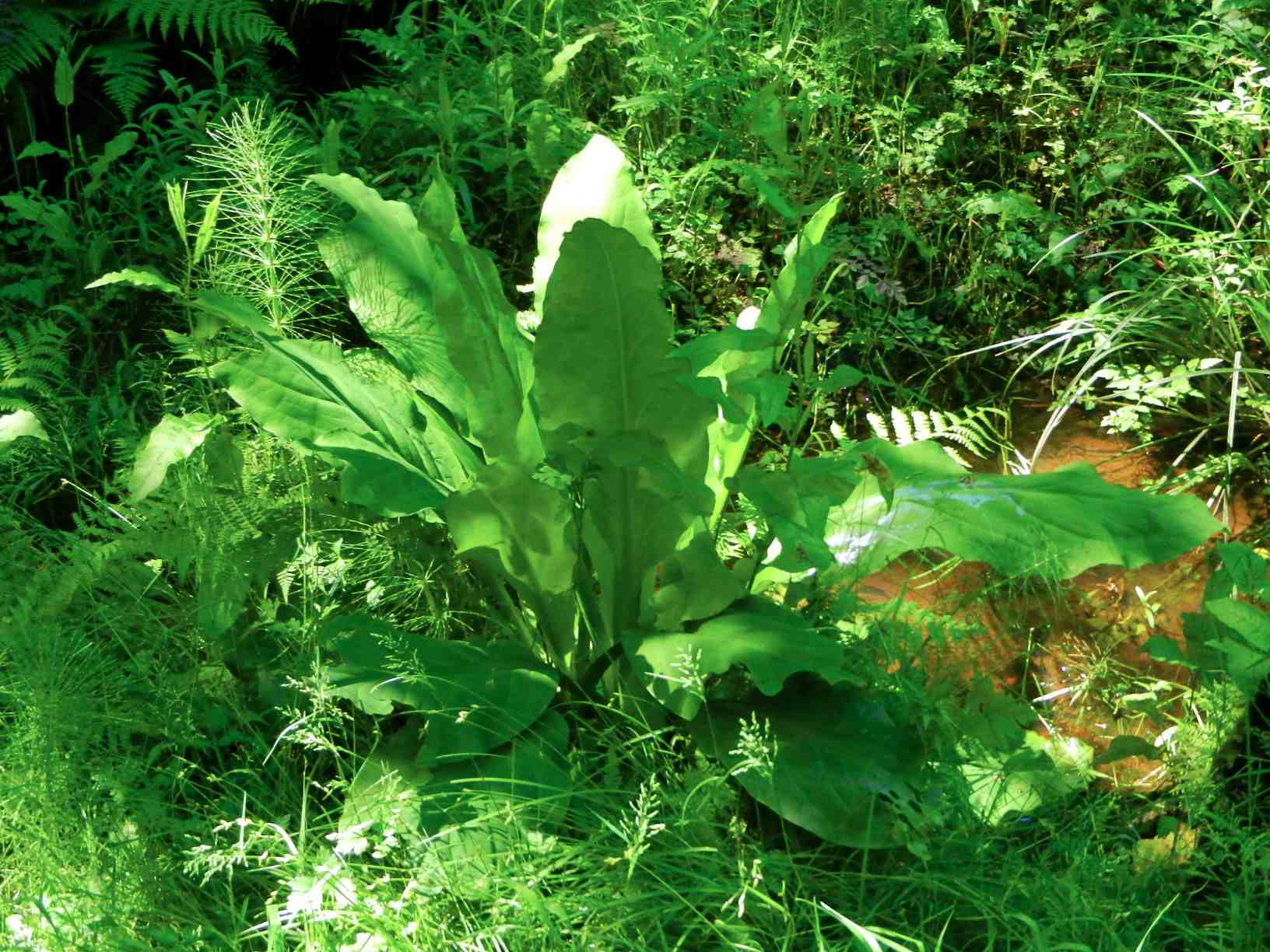
Physical: The reserve comprises a flat to gently sloping, wet flood plain that has developed thin peat deposits adjacent to the Tsitika River. Biological: A variety of bog and fen communities are surrounded by a fringe of forest communities. Bog and fen communities are: (1) Labrador tea -sphagnum moss, (2) shore pine-western redcedar-Labrador tea, (3)

A report by Jane Watson to the Ecological reserves Coordinator of BC Parks. PDF file: Nestucca_oil_spill_effects

File: 6-7-1-188-50 Date: 90-03-01 BOWEN ISLAND ECOLOGICAL RESERVE #48 MANAGEMENT STATEMENT (This statement is intended for use in conjunction with the descriptive text and map pages supplied in the “Guide to Ecological Reserves in British Columbia”). Features Requiring Special Management Consideration: Relatively large area of undisturbed forest (early mature stage) close to Vancouver and universities.

File: 6-7-1-109-50 Date: 90-03-01 FRASER RIVER ECOLOGICAL RESERVE #76 MANAGEMENT STATEMENT (This statement is intended for use in conjunction with the descriptive text and map pages supplied in the “Guide to Ecological Reserves in British Columbia”). Features Requiring Special Management Consideration: The reserve supports the last remaining undisturbed and uncommitted deciduous alluvial forest along the
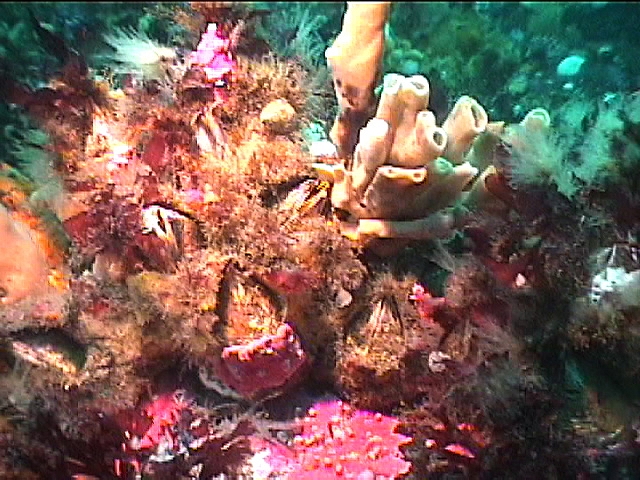
Lindroth, Mattias 1990. Symbiotic Associations of Hydroids and the Giant Barnacle (Balanus nubilus)at Race Rocks Ecological Reserve. (Pearson College extended essay) Unpublished. 20 p. We are having some problems finding as copy of this one… but are still looking . It is a valuable one since he obtained a great deal of help with the
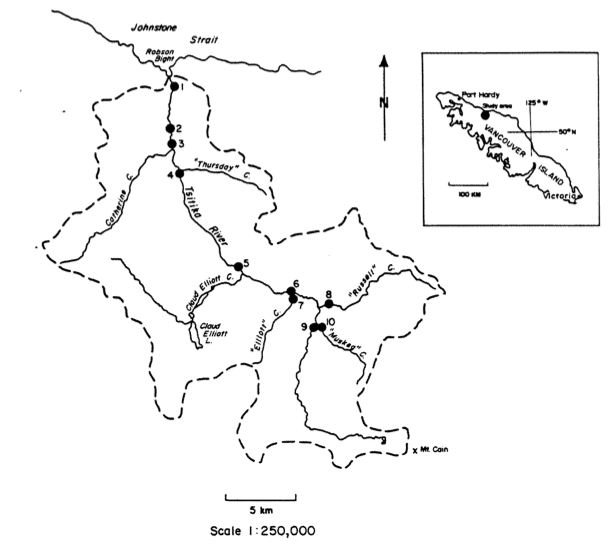
The 1989 Survey program prepared by E.J.Karanka and Associates, Jan. 1990 A good Hydrological study Ed note: Read the blacked out portions, all disclaiming the effect of logging on the ecosystem?? Hmm… See the PDF: Karanka 1990 Tstika River study report

David Duffus and Philip Dearden’s report updates the results of research designed to analyze non-consumptive whale use at Robson Bight…. see the PDF : non-consumptive_use_and_management_of_whales
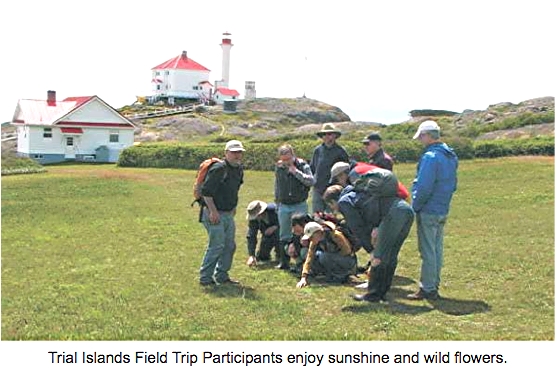
An interesting Document on a land title search. As of 1989, David Spector states” It is unlikely that further land title research will determine whether the Province of BC or the Federal Government possesses a clear title to Trial Island. A legal opinion is perhaps needed. Ed note: The Ecological reserve was established in 1990, so
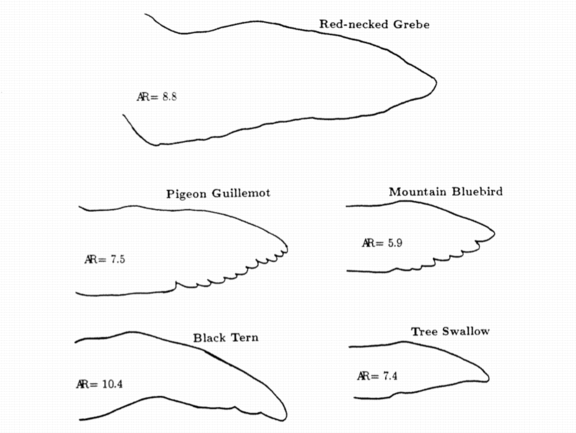
“Flight speeds of 7 bird species , the tree swallow, mountain bluebird, white-throated Swift, European Starling, Black Tern, Pigeon Guillemot, and Red-necked grebe were recorded using a Doppler Radar handgun . Morphological measurements were also made on some species and were used along with literature values , to construct curves of estimated total power required

TheRobson Bight Preservation Committee of the island Econauts Society did this report for DFO in 1980 See the 70 page PDF:inventory_of_salmonid_and_marine_resources
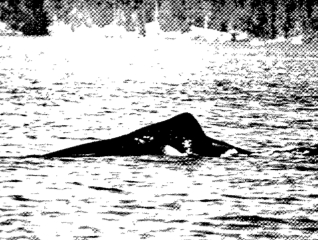
Robin Baird and Pam Stacey published this paper in the Canadian Field-Naturalist , 1989. Observations on the reactions of California Sea Lions ( Zalophu californianus, and Steller Sea Lions ( Eumetopias jubatus) to the presence of foraging transient Killer Whales ( Orcinus orca) were made on theree occasions.
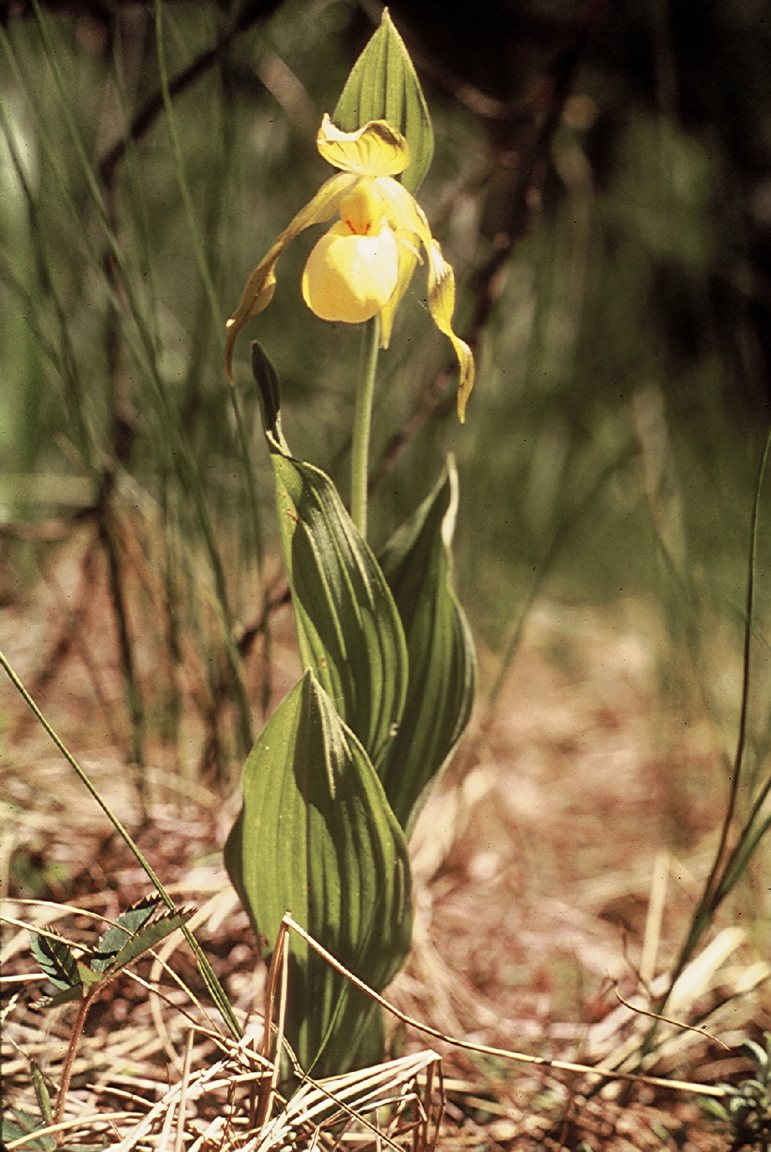
Malcom Martin of the North okanagan Naturalist Club, Vernon, lists a number of additions to the list of vascular plants made during visits in 1989 including one new record for BC. Additionally the two survey transects established in 1984 were resurveyed on their 5 year anniversary. See the complete PDF: martin_1989_addendum_2_mara_meadows_er Yellow lady’s Slipper Cypripedium