Mount Sabine ER #19

Physical: The reserve is situated on gently sloping terrain just north of the summit of Mount Sabine, which marks the southern extremity of the Stanford Range. It has a slight slope to the northwest. Local soils, developed on morainal material which has a limestone component, are believed to be Brunisols. Climate is somewhat cooler and

Clanninick Creek ER #75 Purpose Statement

Purpose Statement  Ecological reserves are areas selected to preserve representative and special natural ecosystems, plant and animal species, features and phenomena. The key role of ecological reserves is to contribute to the maintenance of biological diversity and the protection of genetic materials. All consumptive resource uses and the use of motorized vehicles are prohibited. Research

Clanninick Creek ER # 75 Overview, Biological and Physical

ORIGINAL PURPOSE: To preserve a small, exceptional stand of old-growth spruce. Physical: The reserve is situated on the floor of a glaciated creek valley at the western edge of the Vancouver Island Ranges, 2.5 km inland from the Pacific Ocean. Adjacent mountains are relatively low (500-800 m) and rounded. Regional bedrock consists of Jurassic intrusives

Portage Brule Rapids Ecological Reserve Overview: Biological and Physical

ORIGINAL PURPOSE To protect unique hot spring, river bank, and forest environments along the Liard River Physical:Located between the Alaska highway and the Liard River, immediately east of the Coal River, the reserve faces Portage Brule Rapids, a series of rapids of the Liard River stretching over more than 2 kilometres. Several hot and warm

Chilako River Overview, Biological and Physical

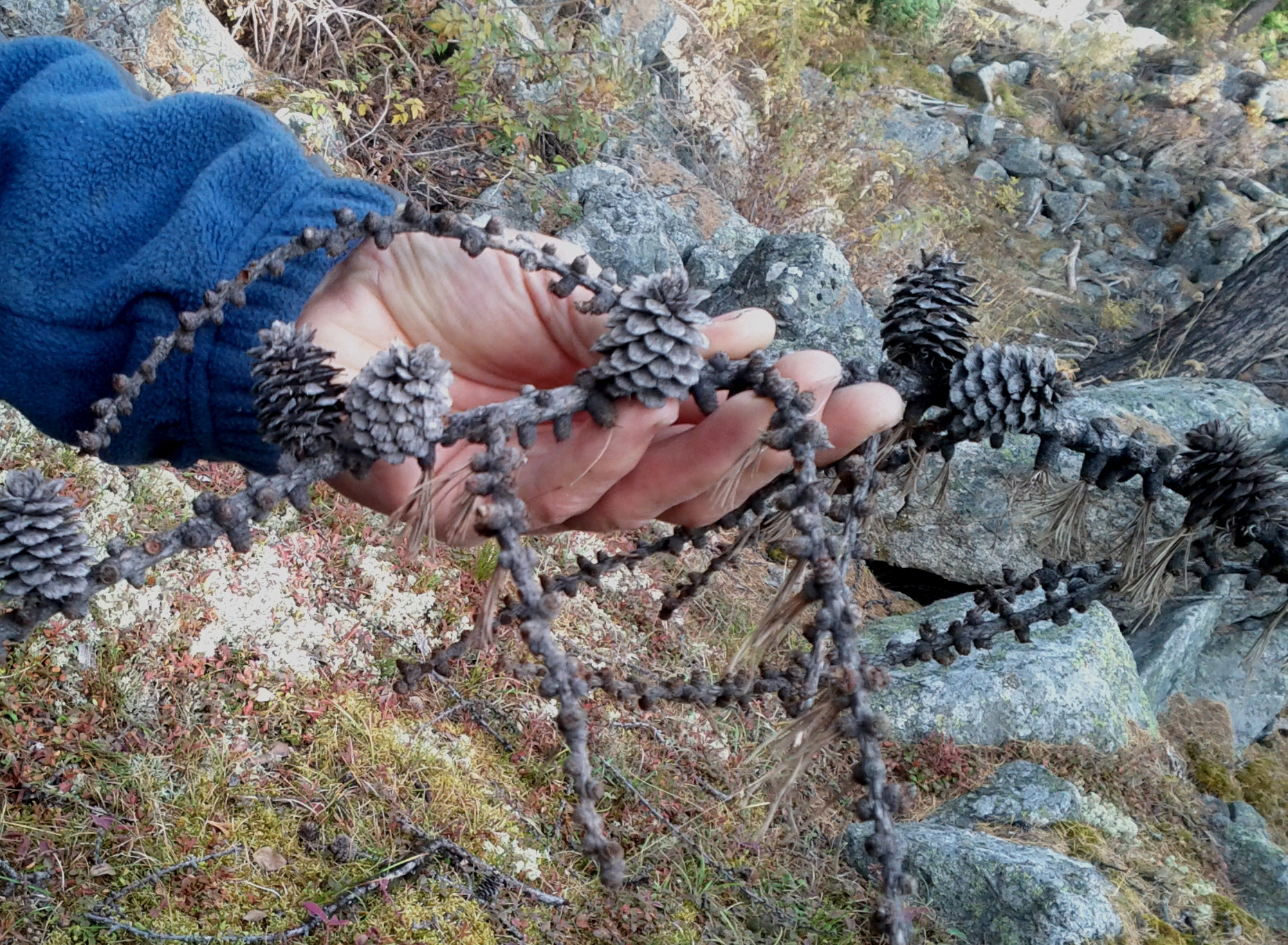
Purpose Statement : To protect the most southerly known stand of tamarack trees in British Columbia See the complete  PDF here: chilako-overview Flora aspen, trembling (Populus tremuloides) birch, scrub (Betula nana) juniper, common (Juniperus communis) Labrador tea (Ledum groenlandicum) moss, peat(Sphagnum spp.) pine, lodgepole (Pinus contortvar.latifolia) rose, prickly (Rosa acicularis spp. sayi) soopolallie (Shepherdia canadensis)

Cecil lake Ecological Reserve Overview, Biological and Physical

Note: Management Planning There is no online management planning information for this Ecological Reserve available at this time. ORIGINAL PURPOSE To preserve aspen, fen and bog ecosystems representative of the Peace River area of the Alberta Plateau. SIGNIFICANT SPECIES Philadelphia Vireos heathed cotton-grass THREATS Climate Change: It has been projected that the effects of climate

Tow Hill Ecological Reserve Overview, Biological and Physical

ORIGINAL PURPOSE To protect a sand beach, dune ecosystems and inland moor bogs on Haida Gwai See the Complete PDF : Tow Hill ER 9overviewpdf Physical: A broad beach of hard sand is present, partly the result of the presence of Yakan Point which acts as a natural groin and traps sand being moved north

Bowen Island ER # 48 Overview: Biological and Physical

ORIGINAL PURPOSE To preserve dry subzone forest ecosystems in the Coastal Western Hemlock Zone at a location convenient for research Physical: The reserve straddles a southwest-northeast trending ridge. Most of its area is on the rolling summit of the ridge above 300 m in elevation but steep slopes occur along the northwest and southeast edges.

Pit Polder Overview: Biological and Physical

ORIGINAL PURPOSE To preserve a fragment of the rapidly disappearing Fraser Valley boglands Physical: The reserve is situated near the northern edge of the Fraser Lowland on a large deltaic plain. Surficial materials originated from Pleistocene glaciation, subsequent marine invasion, and finally deposition of river-borne sediments. The Fraser River sediments, which originated as floodplain and