Cardiff Mountain Warden’s report, 1982
Artemesia michauxiana photo by Anna Roberts Anna Roberts visits the reserve in September of 1982 , she adds one new species to the J. Pojar species list, Viburnum edule

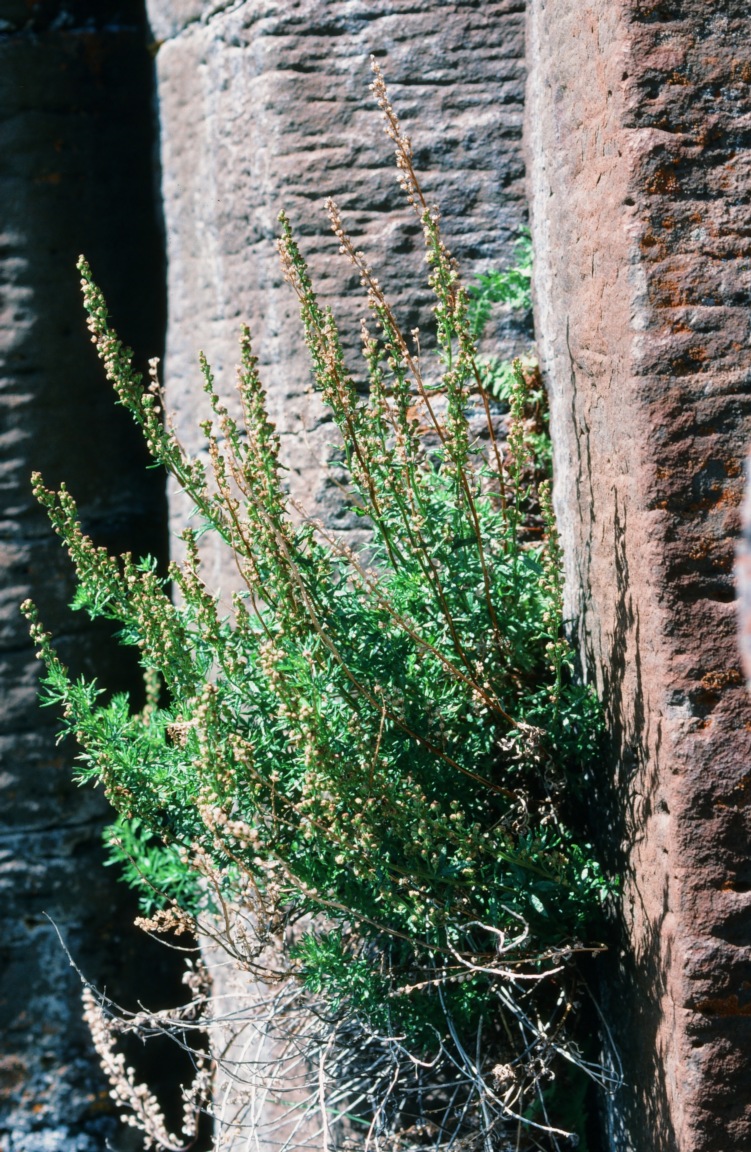
Artemesia michauxiana photo by Anna Roberts Anna Roberts visits the reserve in September of 1982 , she adds one new species to the J. Pojar species list, Viburnum edule
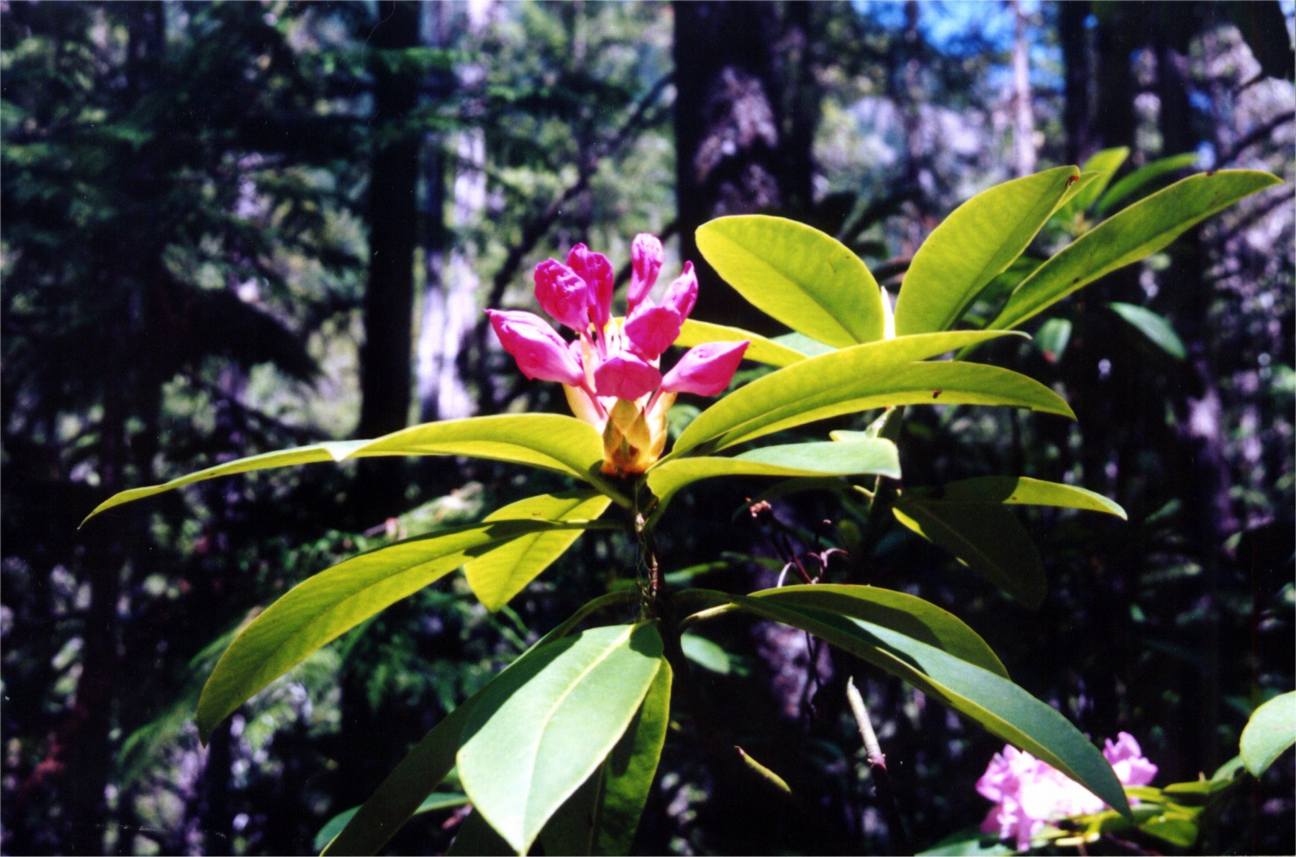
Lynne Milnes and Peter Legg listed vegetation and several birds in 1982:

See this PDF file for complete report: alcid_growth By Kees Vermeer and L.Cullen
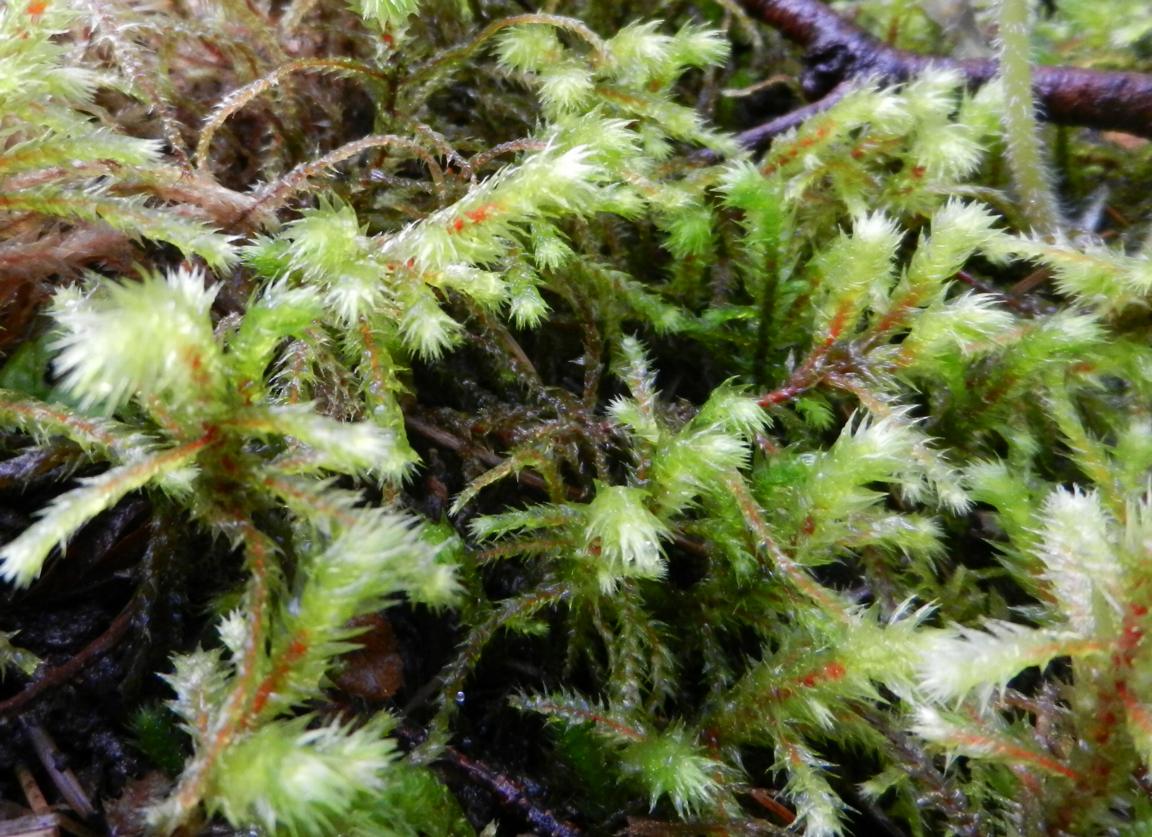
Mosses were collected from the east aspect — top of the limestone bluff, and from the north east aspect, top of bluff and were identified by Frank Boaz
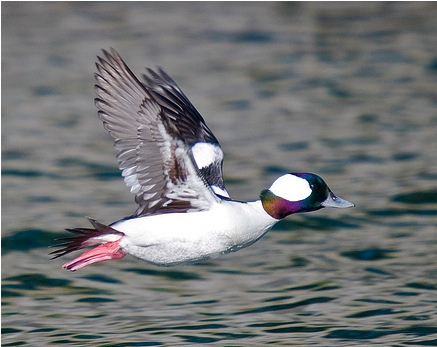
T.E. Reimchen and S Douglas, November 1982. This provides a detaailed species list with potential for long term baseline comparison . See the PDF file: seasonal_bird_abundance Bufflehead by Ryan Murphy

Sheila Douglas did this inventory during a three day field trip to the areas in July 1982. The flora of the peninsula at the northwestern section of the reserve was surveyed in several habitats ( coastal,and gravel beach, blanket bog, Yellow Cedar scrub forest, Western red Hemlock/Red Cedar forest and awautic) Plant specimens collected will
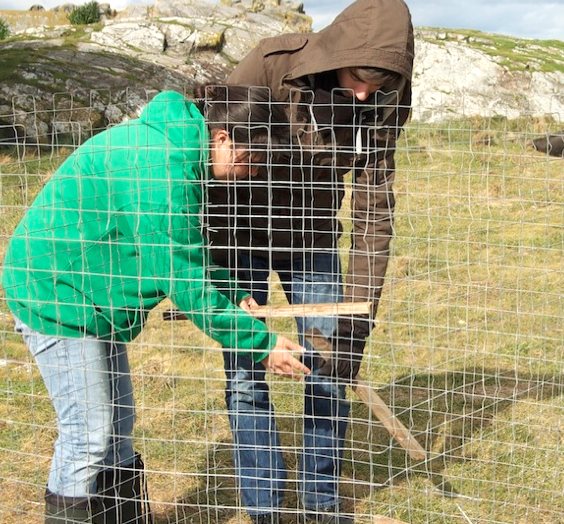
Brent Bisgrove did a paper for Dr. D.V. Ellis , Biology 490, U.Vic. in June 1982 . This is the part referring to Er # 94 See the Complete fPDF : ers_and_other_sites_for_marine_research
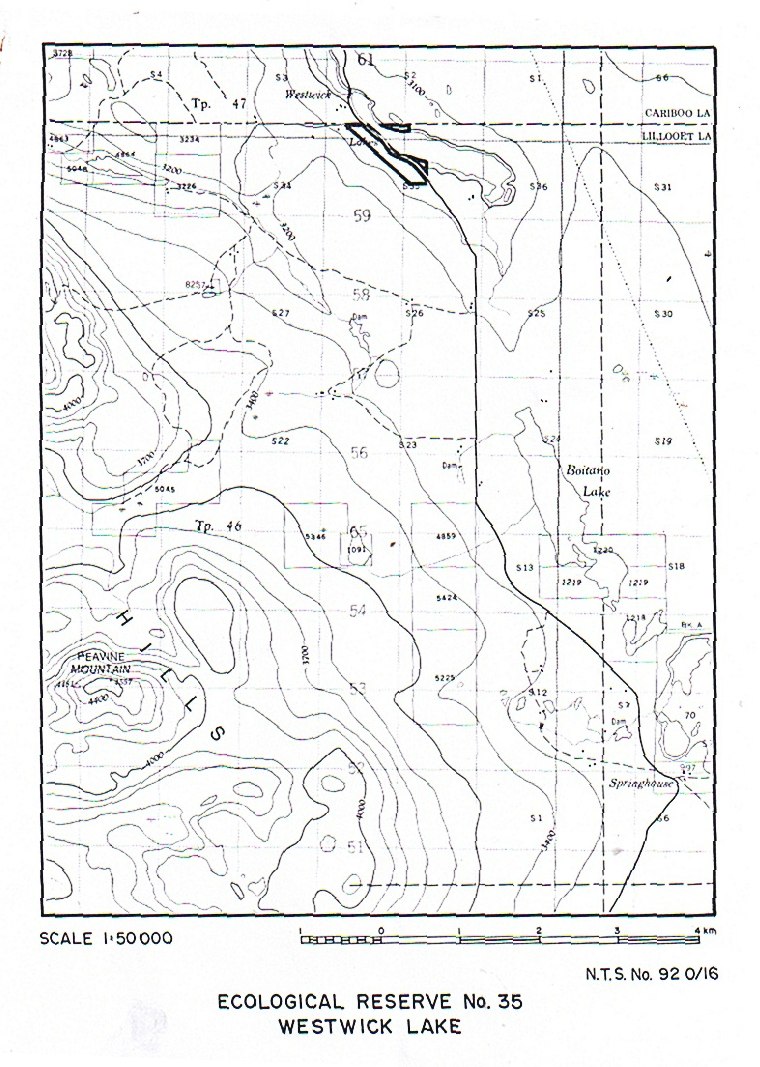
This is one from the original ER information publication.

“Westwick lake is the Type locality ” of many insects studied by Scudder and his students”

T.E. Reimchen and S. Douglas Dept of Biology U of Alberta report ontime budgets and energetic investment on parental care by the sexes of Red-throated loons in Drizzle lake ER. See complete PDF: parental_feeding_in_the_red-throated_loon_on_qci
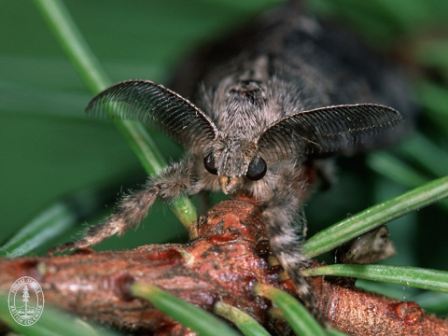
R.O.Wood and J. Vallentgoed did this report outlining forest insect disease conditions in the Vancouver Forest District in 1982 and forecasts some of the population trends of some potentially damaging forest pests.. Se complete PDF: larvaforest_insect_and_disease_conditions_1982
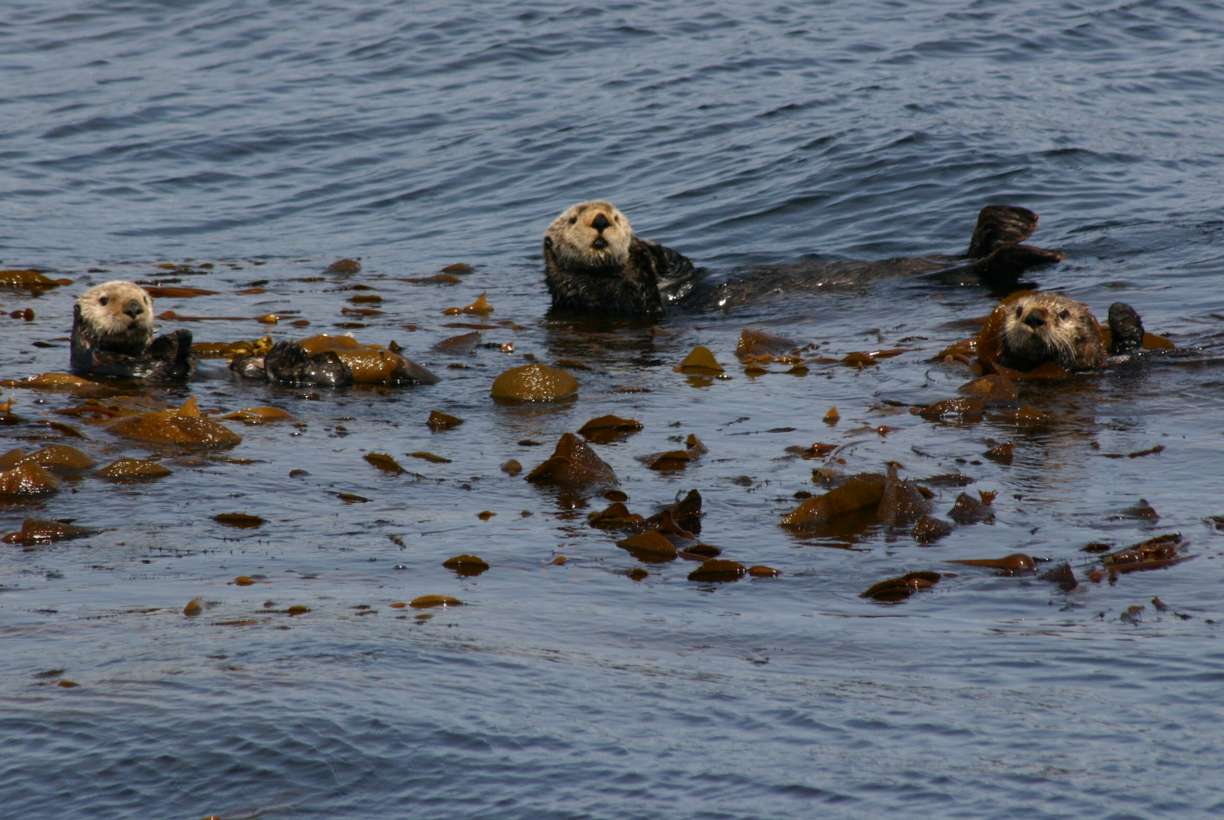
Paul Breen, Trudy Carson, Bristol Foster and Anne Stewart did this report for DFO . In 1979 they visited the area known to be occupied by 55 animals in 1978 and made subtidal observations of the abundance and distribution of red sea urchins and found the red urchins to be scarce and restricted to crevices,

Poster Session: Characteristics and Distribution of Chernozemic soils in the Ashcroft map area. by M. Fenger The objective of this paper used to describe the topographic and geographic distribution of the Chernozemic great groups and some selected subgroups within the Ashcroft map area. Chernozemic soils are not extensive within British Columbia; the Ashcroft map area
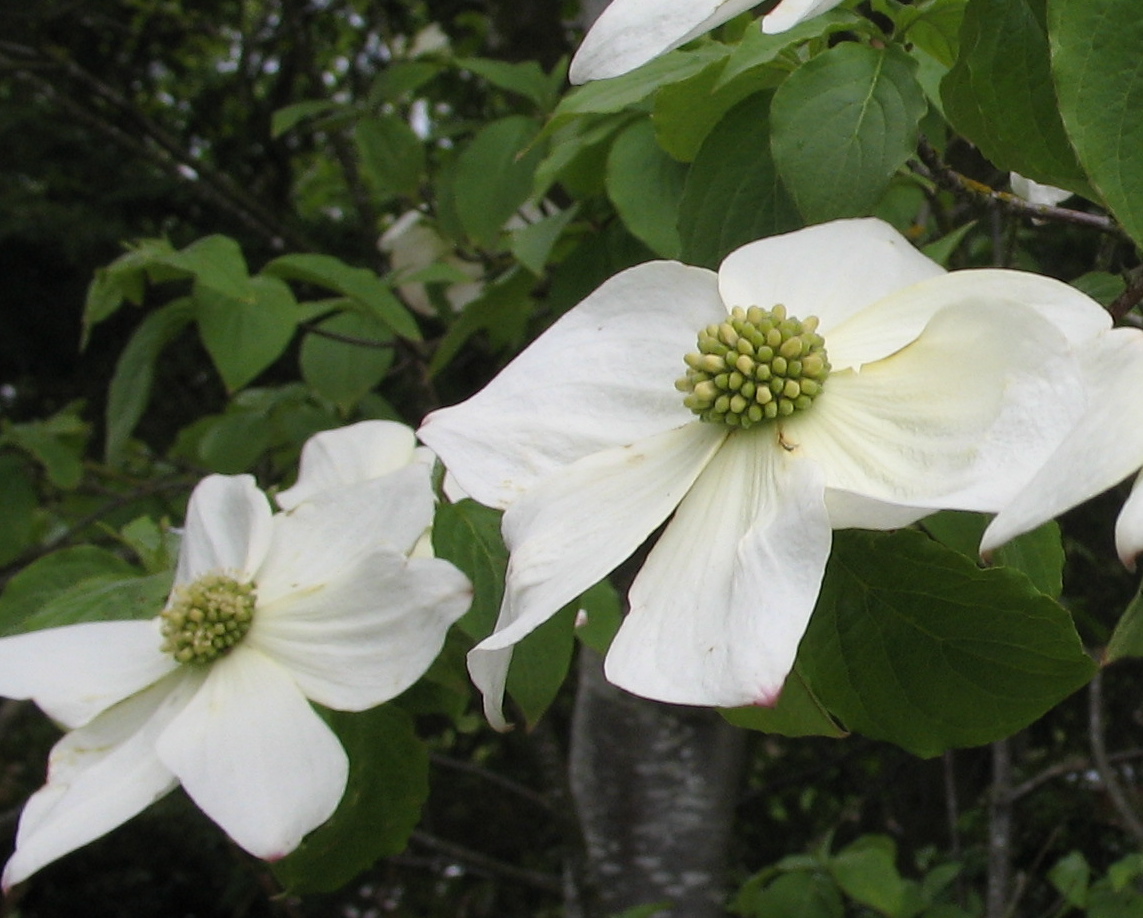
Report by Lynne Milnes and Sidney Riley with species list Also a report from 1977 with G. Franko milnes_&_riley_1982_species_observations_ambrose_lake_er Photo by Fred Hook of Pacific Dogwood– mentioned in the report.

V.Heinsalu and G.W. Smith of Fish and Wildlife, Nanaimo do a field inventory of marmot colony areas See the PDF: heinsalu_&_smith_1982_vi_marmot_inventory
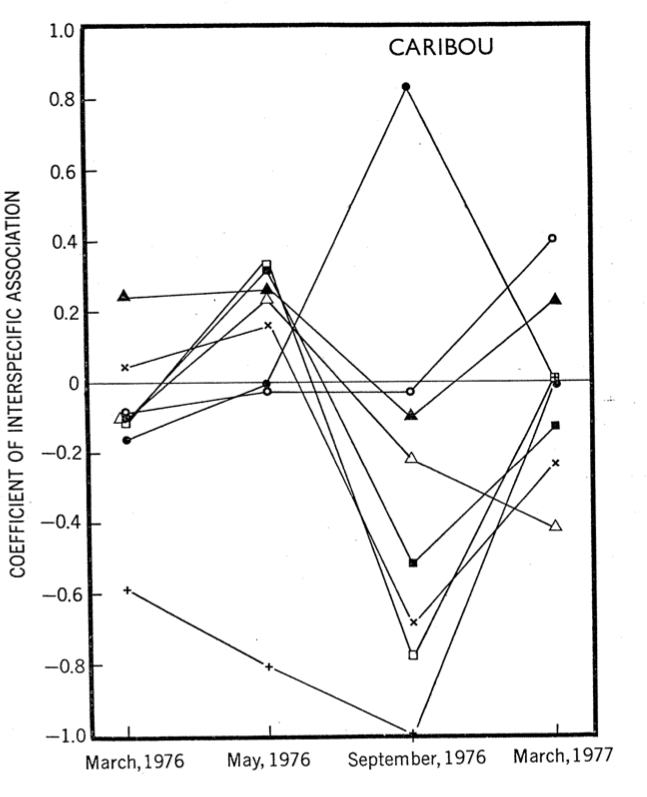
Rudy Boonstra and A.R.E. Sinclair’s research . 1982 See 25 page PDF: seasonal_distribution_of_caribou_and_moose_in_spatsizi